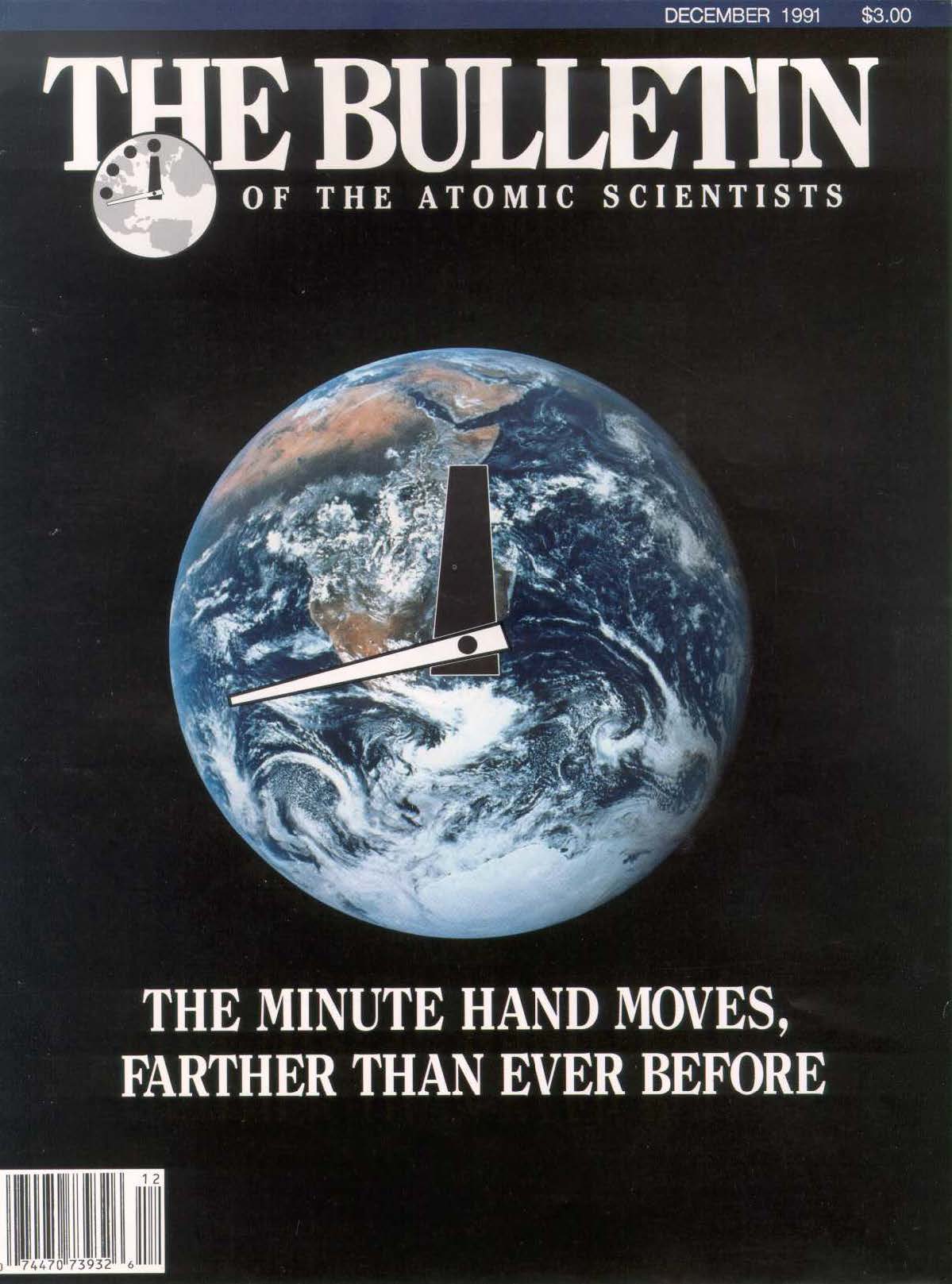
Magazine archive
This archive was created in honor of John A. Simpson, one of the Bulletin’s principal founders and a longtime member of its Board of Sponsors. This searchable archive provides exclusive online access to original interviews and commentary by luminaries like Albert Einstein, J. Robert Oppenheimer, Ruth Adams, John F. Kennedy, Stephen Hawking, Jennifer Doudna, Fiona Hill, William J. Perry, Mikhail Gorbachev and multiple Nobel laureates.
Premium subscribers can access the Bulletin of the Atomic Scientists archive, containing every article published since 1945. Issues from January 2020 to present can be read below.
Please use Google Chrome for the best experience accessing the Bulletin archive.
Preview premium magazine articles
From the January 2015 issue

By David Kaiser &
Benjamin Wilson
From the June 1948 issue
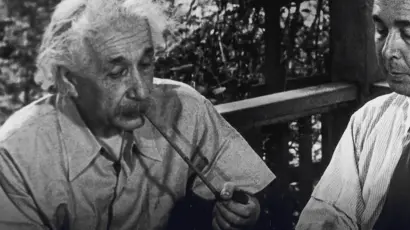
By Albert Einstein, et al.
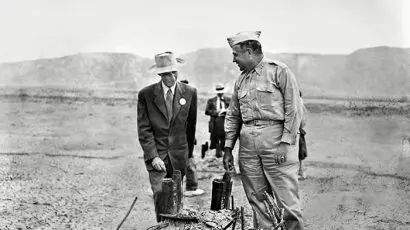

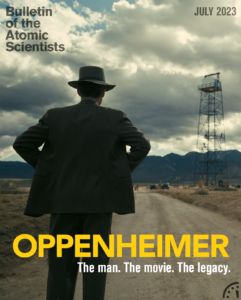
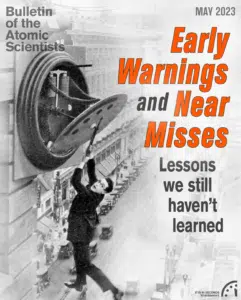
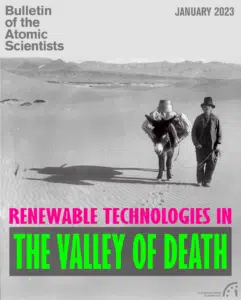
Read recent issues

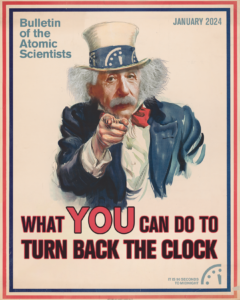



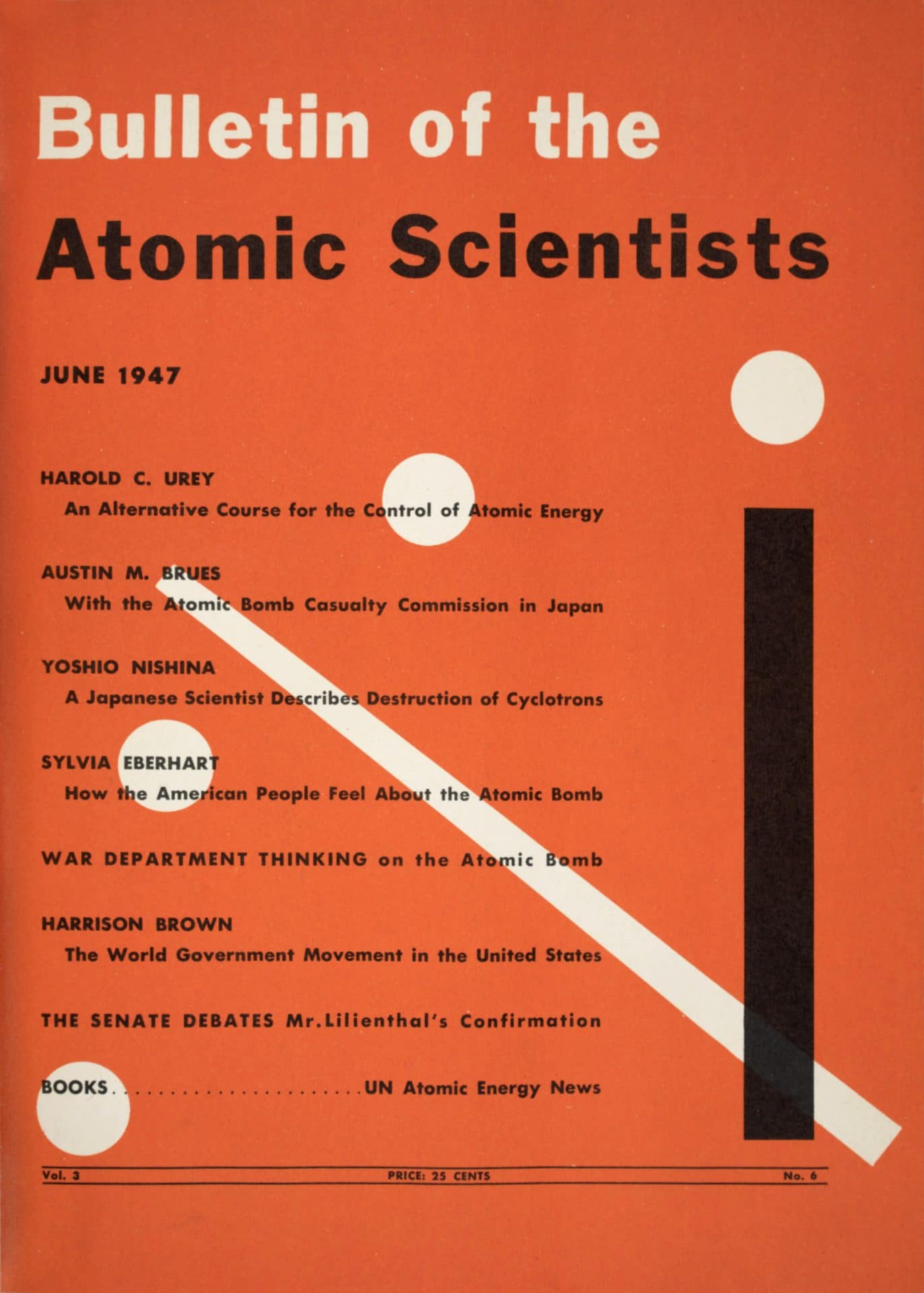
The first Bulletin magazine cover, featuring Martyl Langsdorf's design that would eventually become the Doomsday Clock.
Subscribe to access every issue in the Bulletin's 75+ years of reporting
For less than $5 a month, get the Bulletin digital magazine and access to the archive. Your subscription supports the Bulletin's mission to reduce man-made threats to human existence.