Follow our Iran coverage

DIGITAL MAGAZINE

March 2026

DIGITAL MAGAZINE

March 2026

Cover design: Thomas Gaulkin; source images: DepositPhotos.com

devil transcribing

Introduction: Disinformation as a multiplier of existential threat

While trickery is old, what’s new is the very high level at which realistic- looking and -sounding “deepfake” photos and videos, synthetic feeds, and fabricated accounts can now be made—and the sheer volume that can be produced, on short notice. With the rapid advance of AI, the situation is likely to only get worse.

devil transcribing

Introduction: Disinformation as a multiplier of existential threat

While trickery is old, what’s new is the very high level at which realistic- looking and -sounding “deepfake” photos and videos, synthetic feeds, and fabricated accounts can now be made—and the sheer volume that can be produced, on short notice. With the rapid advance of AI, the situation is likely to only get worse.


Why people believe conspiracy theories: A political scientist’s view

Political scientist Joseph Uscinski, a professor at the University of Miami, talks about conspiracy theories and the people who believe them. Uscinski’s research has found that conspiracy theories are not new, nor are they more prevalent than in the past. What has changed, he says, is that people at the highest echelons of power in the United States are embracing conspiracy theories, and conspiracy-mindedness is becoming more concentrated in one political party than in the past.
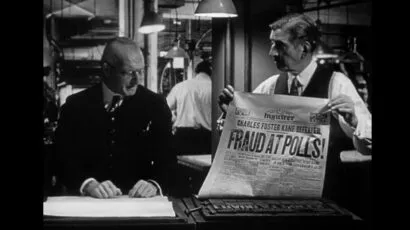
Citizen Kane still

The evolution of a conspiracy-minded culture: A historian’s view

Kathryn Olmsted, a history professor at the University of California Davis, talks about how American conspiracy theories have changed since World War I and are now focused more on government than on identity groups such as race, ethnicity, religion, and national origin. Conspiracy theories are disrupting politics in the United States and amplifying other risks, such as climate change and pandemics. One new trend is the rise of conspiracy theories lacking even a grain of truth.
Reagan and Gorbachev

AI in the information ecosystem and its impact on nuclear escalation

AI tools can generate realistic deepfakes, synthetic feeds, and fabricated accounts at scale, that could flood analysts during crises with large volumes of information that overload their capabilities. Consequently, AI brings a significant possibility of elevating nuclear escalation risks by amplifying disinformation, overloading analysts, compressing decision timelines, and exploiting cognitive and institutional vulnerabilities in sociotechnical systems for nuclear command and control. Here are three hypothetical, yet plausible, scenarios where AI could have a role in nuclear escalation: Taiwan, a US-North Korean confrontation, and a NATO exercise triggering a crisis in Europe.
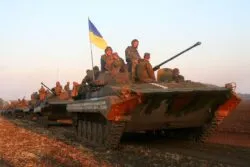
Ukrainian tanks on a military exercise

At the brink: How Moscow’s ‘dirty bomb’ disinformation campaign risked a NATO-Russia war in October 2022

In October 2022, Russian forces were on the brink of collapse in Ukraine, and it was unclear if major Russian army units could even evacuate back across the Dnipro River to safety. Discontent was rising, Putin’s regime was at risk, and he started talking of using a tactical nuclear weapon on the battlefield—which he tried to justify by saying that it would only be in response to the exploding of a dirty bomb by Ukraine (although there was no evidence for the existence of such a Ukrainian dirty bomb). The world was very close to a second Cuban Missile Crisis.
How AI use in scholarly publishing threatens research integrity, lessens trust, and invites misinformation

Since 2023, a significant number of published scholarly papers show signs of having been edited using AI tools. These tools are also being used to review papers and search and discovery tools, in ways that are not always well understood. Consequently, academic databases are starting to show signs of being affected by AI-generated hallucinated research—placing additional stresses on the integrity of the scholarly publishing system, potentially making it more vulnerable to organized and intentional disinformation campaigns.
woodcut 1717 great snow Massachusetts

Reasonable doubt? How The Free Press covers climate change

The Free Press likes to publish provocative takes that punch holes in established ideologies. When that ethos is applied to the subject of climate change, the result is a largely one-sided perspective that depicts climate science and climate experts as suspect and not to be trusted. Will this outlook carry over to CBS News, now that the founder of the publication, Bari Weiss, is the editor-in-chief?
smallpox vaccination satire of 1802

How to counter health misinformation when it’s coming from the top

Health misinformation is now being generated and spread by those in charge of the United States’ public health system. Multiple interventions against health misinformation have been identified and are effective, but many are challenging to implement in the current political environment. Effective interventions require accountability and societal repercussions for purveyors of disinformation, particularly those with power and large audiences.
measles closeup

As measles outbreaks grow, the economic cost of anti-vaccine misinformation could become clearer

Health economists are growing concerned about the future economic consequences of falling vaccination rates in the United States. In some regions, they are well below the level necessary to stop outbreaks of diseases such as measles. The Trump administration, stacked with anti-vaccine activists or vaccine skeptics, is now a significant source of the vaccine misinformation that experts say is helping to depress support for vaccination.
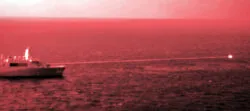
US Navy ship test-firing laser weapon

Plasma weapons and deterrence in the age of emerging military technologies

The emergence of plasma-based directed-energy weapon systems necessitates a reconceptualization of deterrence theory. Plasma weapons are advanced, experimental systems designed to project superheated, ionized gas (plasma) or create conductive plasma channels to damage, disable, or destroy targets at long distances using electrical, thermal, and electromagnetic energy. Unlike nuclear deterrence, which is anchored in the logic of catastrophic retaliation, plasma deterrence may function through precision, disruption, and strategic ambiguity.
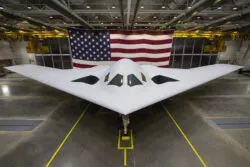
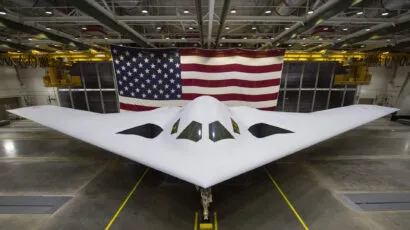
A sleek, white stealth bomber aircraft is displayed in a hangar with a large American flag in the background.

United States nuclear weapons, 2026

The United States has embarked on a wide-ranging nuclear modernization program. We estimate that it maintains a stockpile of approximately 3,700 warheads—an unchanged estimate from the previous year.

Why people believe conspiracy theories: A political scientist’s view

Political scientist Joseph Uscinski, a professor at the University of Miami, talks about conspiracy theories and the people who believe them. Uscinski’s research has found that conspiracy theories are not new, nor are they more prevalent than in the past. What has changed, he says, is that people at the highest echelons of power in the United States are embracing conspiracy theories, and conspiracy-mindedness is becoming more concentrated in one political party than in the past.
Citizen Kane still

The evolution of a conspiracy-minded culture: A historian’s view

Kathryn Olmsted, a history professor at the University of California Davis, talks about how American conspiracy theories have changed since World War I and are now focused more on government than on identity groups such as race, ethnicity, religion, and national origin. Conspiracy theories are disrupting politics in the United States and amplifying other risks, such as climate change and pandemics. One new trend is the rise of conspiracy theories lacking even a grain of truth.
Reagan and Gorbachev

AI in the information ecosystem and its impact on nuclear escalation

AI tools can generate realistic deepfakes, synthetic feeds, and fabricated accounts at scale, that could flood analysts during crises with large volumes of information that overload their capabilities. Consequently, AI brings a significant possibility of elevating nuclear escalation risks by amplifying disinformation, overloading analysts, compressing decision timelines, and exploiting cognitive and institutional vulnerabilities in sociotechnical systems for nuclear command and control. Here are three hypothetical, yet plausible, scenarios where AI could have a role in nuclear escalation: Taiwan, a US-North Korean confrontation, and a NATO exercise triggering a crisis in Europe.
Ukrainian tanks on a military exercise

At the brink: How Moscow’s ‘dirty bomb’ disinformation campaign risked a NATO-Russia war in October 2022

In October 2022, Russian forces were on the brink of collapse in Ukraine, and it was unclear if major Russian army units could even evacuate back across the Dnipro River to safety. Discontent was rising, Putin’s regime was at risk, and he started talking of using a tactical nuclear weapon on the battlefield—which he tried to justify by saying that it would only be in response to the exploding of a dirty bomb by Ukraine (although there was no evidence for the existence of such a Ukrainian dirty bomb). The world was very close to a second Cuban Missile Crisis.

How AI use in scholarly publishing threatens research integrity, lessens trust, and invites misinformation

Since 2023, a significant number of published scholarly papers show signs of having been edited using AI tools. These tools are also being used to review papers and search and discovery tools, in ways that are not always well understood. Consequently, academic databases are starting to show signs of being affected by AI-generated hallucinated research—placing additional stresses on the integrity of the scholarly publishing system, potentially making it more vulnerable to organized and intentional disinformation campaigns.
woodcut 1717 great snow Massachusetts

Reasonable doubt? How The Free Press covers climate change

The Free Press likes to publish provocative takes that punch holes in established ideologies. When that ethos is applied to the subject of climate change, the result is a largely one-sided perspective that depicts climate science and climate experts as suspect and not to be trusted. Will this outlook carry over to CBS News, now that the founder of the publication, Bari Weiss, is the editor-in-chief?
smallpox vaccination satire of 1802

How to counter health misinformation when it’s coming from the top

Health misinformation is now being generated and spread by those in charge of the United States’ public health system. Multiple interventions against health misinformation have been identified and are effective, but many are challenging to implement in the current political environment. Effective interventions require accountability and societal repercussions for purveyors of disinformation, particularly those with power and large audiences.
measles closeup

As measles outbreaks grow, the economic cost of anti-vaccine misinformation could become clearer

Health economists are growing concerned about the future economic consequences of falling vaccination rates in the United States. In some regions, they are well below the level necessary to stop outbreaks of diseases such as measles. The Trump administration, stacked with anti-vaccine activists or vaccine skeptics, is now a significant source of the vaccine misinformation that experts say is helping to depress support for vaccination.
US Navy ship test-firing laser weapon

Plasma weapons and deterrence in the age of emerging military technologies

The emergence of plasma-based directed-energy weapon systems necessitates a reconceptualization of deterrence theory. Plasma weapons are advanced, experimental systems designed to project superheated, ionized gas (plasma) or create conductive plasma channels to damage, disable, or destroy targets at long distances using electrical, thermal, and electromagnetic energy. Unlike nuclear deterrence, which is anchored in the logic of catastrophic retaliation, plasma deterrence may function through precision, disruption, and strategic ambiguity.
A sleek, white stealth bomber aircraft is displayed in a hangar with a large American flag in the background.

United States nuclear weapons, 2026

The United States has embarked on a wide-ranging nuclear modernization program. We estimate that it maintains a stockpile of approximately 3,700 warheads—an unchanged estimate from the previous year.

Cover design: Thomas Gaulkin; source images: DepositPhotos.com

Subscribe now

We've relaunched the Bulletin's award-winning digital magazine. Get access to every issue and our archive going back to 1945.

Magazine archive

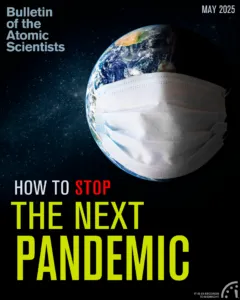
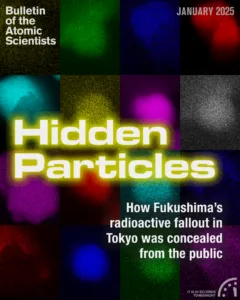
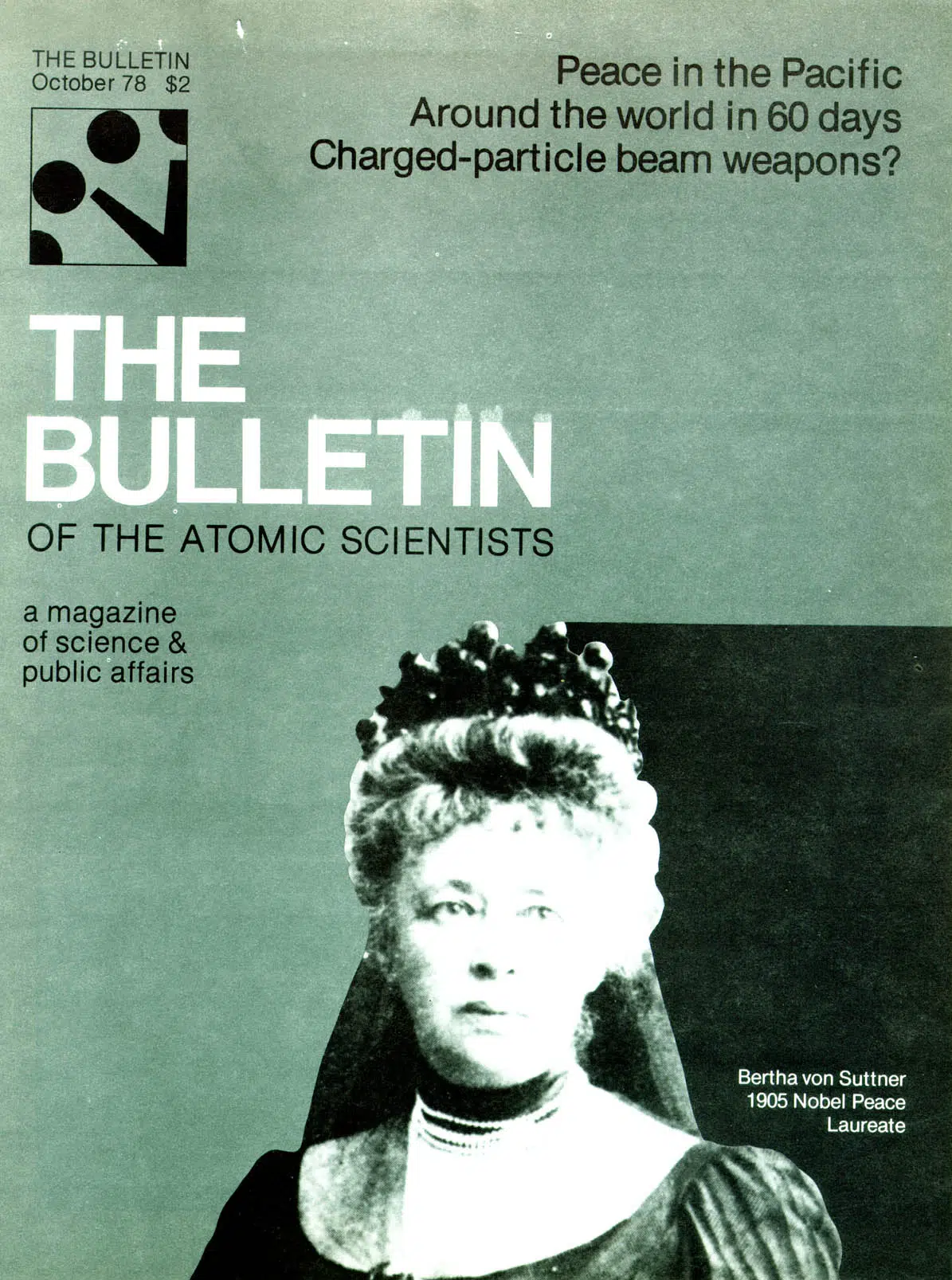
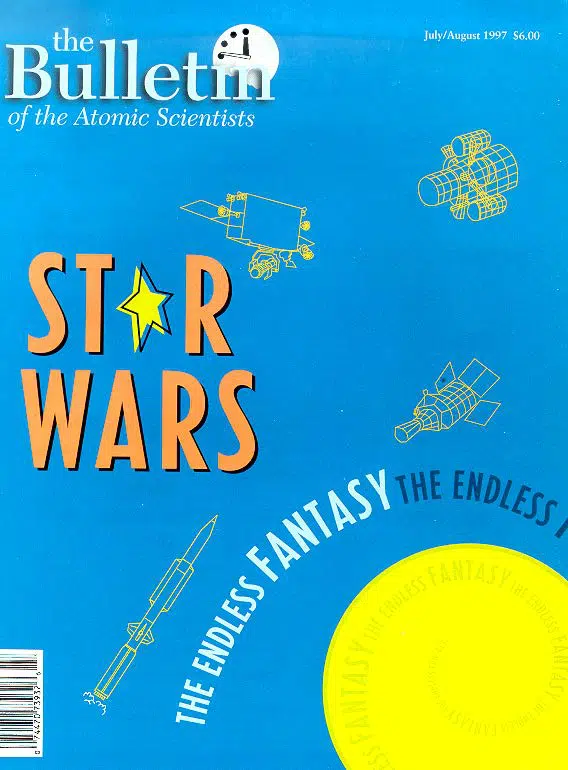
May 2025 cover of the Bulletin of the Atomic Scientists, featuring an illustration of the Earth wearing a surgical mask above the headline 'How to Stop the Next Pandemic'.
Albert Einstein in Washington, D.C., between 1921 and 1923. Harris & Ewing, photographers. Courtesy of the Library of Congress. https://www.loc.gov/pictures/item/2016885961/

Premium subscribers can read the complete Bulletin of the Atomic Scientists’ archive, which contains every article published since our founding in 1945.

This archive was created in honor of John A. Simpson, one of the Bulletin’s principal founders and a longtime member of its Board of Sponsors. This searchable archive provides exclusive online access to original interviews and commentary by luminaries like Albert Einstein, J. Robert Oppenheimer, Ruth Adams, John F. Kennedy, Stephen Hawking, Christine Todd Whitman, US Secretary of Defense William J. Perry, and multiple Nobel laureates.