DIGITAL MAGAZINE

December 2025

DIGITAL MAGAZINE

December 2025

December 2025

Visitors check out an infinity chamber at the "Futurium" in Berlin, a venue where significant national and international developments in scientific, technical and social research are to be presented and discussed among the government, the scientific community, industry, and society. (Photo credit: JOHN MACDOUGALL/AFP via Getty Images)

The recent past and foreseeable future of the Bulletin of the Atomic Scientists: a conversation

Editor in chief John Mecklin interviews former executive director Kennette Benedict
Visitors check out an infinity chamber at the "Futurium" in Berlin, a venue where significant national and international developments in scientific, technical and social research are to be presented and discussed among the government, the scientific community, industry, and society. (Photo credit: JOHN MACDOUGALL/AFP via Getty Images)

The recent past and foreseeable future of the Bulletin of the Atomic Scientists: a conversation

Editor in chief John Mecklin interviews former executive director Kennette Benedict

NOW AND NEXT...

observers watching atomic bomb test, 1950s

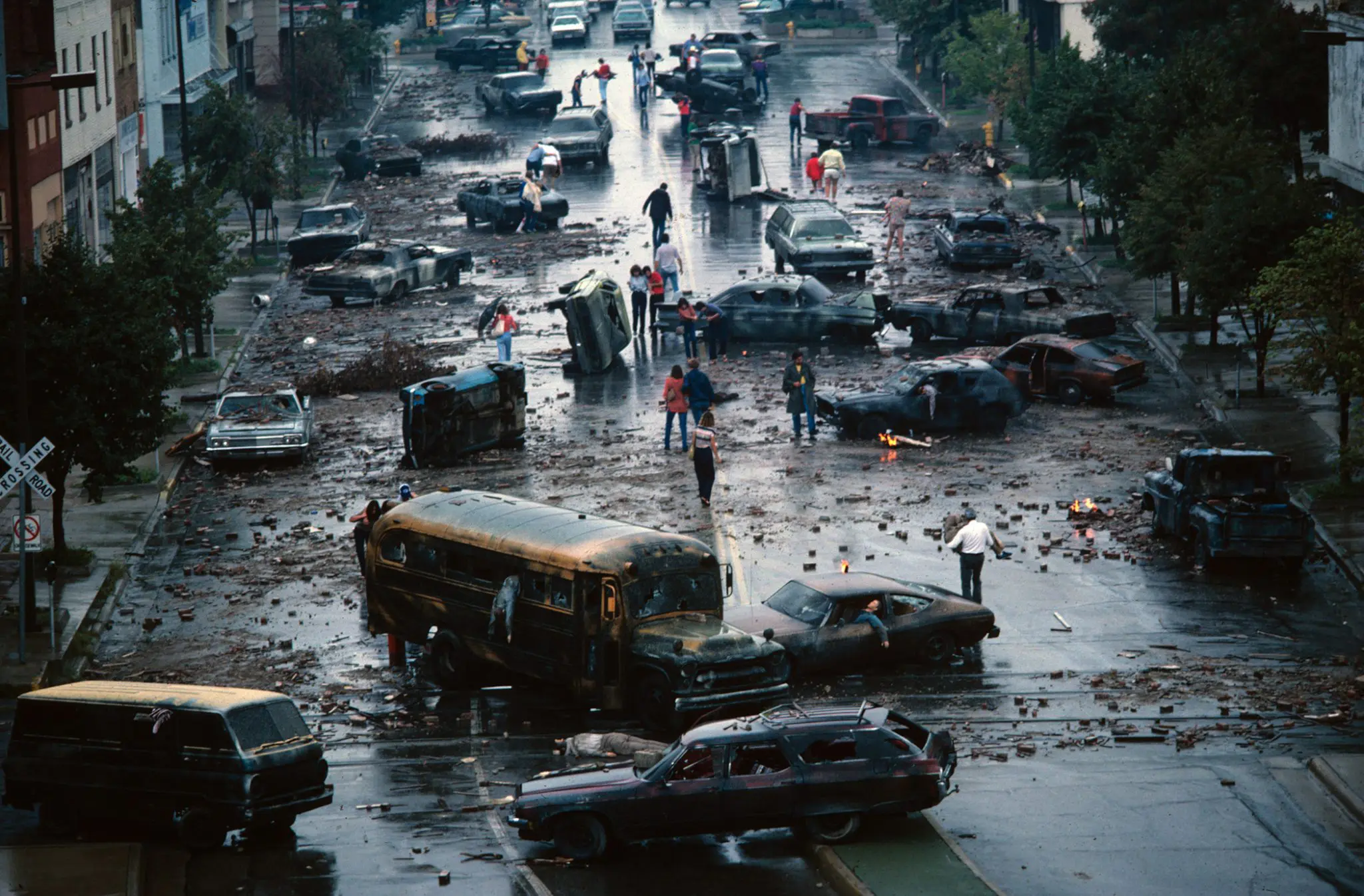
Introduction: Nuclear Risk

Since the decimation of two Japanese cities at the end of World War II, the Bulletin has focused on both sides of the nuclear dual-use problem: How to reduce (or even eliminate) the possibility of a nuclear war that could end civilization, while maximizing the peaceful uses of nuclear energy.
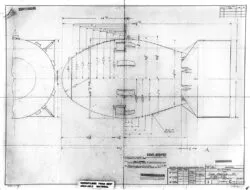
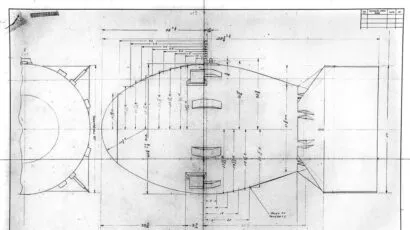
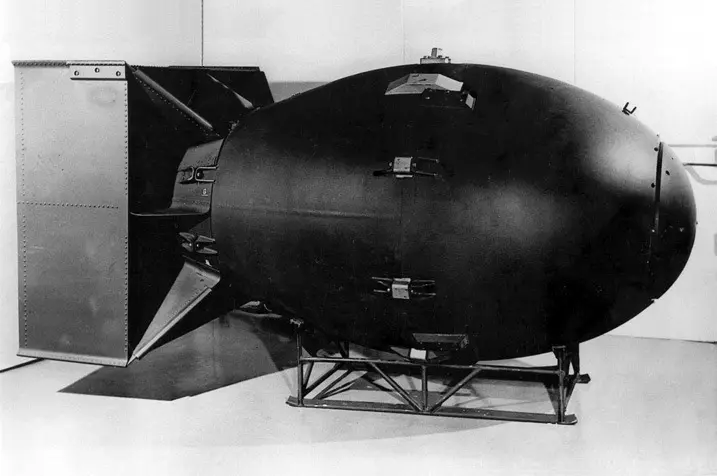
schematics of Fat Man bomb

Eighty years and 89 seconds: It’s time to fight against midnight

In the 80th year of the nuclear age, with just 89 seconds left on the Doomsday Clock, every nuclear challenge is trending in the wrong direction.
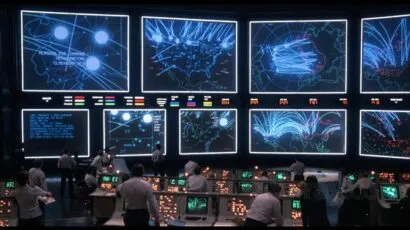
War Games movie simulation of control room

Algorithms of misperception: Managing nuclear risk in an AI world

The new nuclear age differs from previous eras in an important way: The current era is shaped by information abundance. But that abundance comes with a paradox: With more data there is also an increase in noise, deception, and potential misperception that could have crucial consequences in managing nuclear crises.
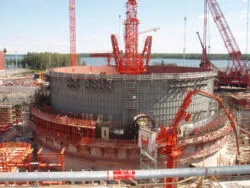
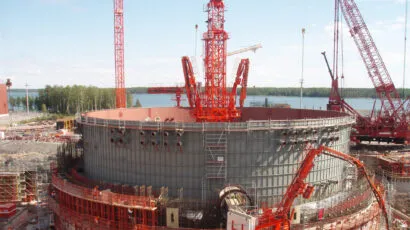
nuclear reactor construction

Whence nuclear power in the 21st century?

Whether a nuclear renaissance actually occurs in the coming decade or two depends on three fundamental questions: Are the new designs safer than their predecessors? Do the new designs lead to changes in dealing with nuclear waste? And do these new designs raise additional (or new) questions regarding nuclear weapons proliferation?
anti and pro nuclear energy posters

The debate about nuclear energy must be reframed for the future

Discussion about nuclear energy has long been marked by extreme polarization, with proponents and opponents seeming to inhabit separate worlds when making wildly different claims about the future of nuclear energy. In making these claims, proponents and opponents do not engage with one another, hoping to learn; rather, they try to evangelize, seeking to convince the other side of what they view as universal truths about nuclear energy. But there could be a different way of discussing the many issues around nuclear power.
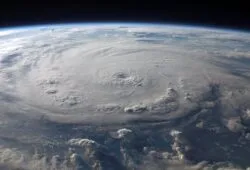
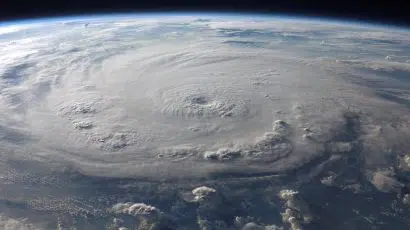
Climate change - space - hurricane

Introduction: Climate Change

For over a century, humanity has rampantly burned fossil fuels to power the machinery of modern life, inexorably releasing gases into the atmosphere that are changing the Earth’s climate.
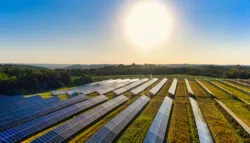
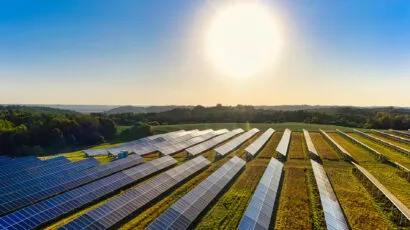
solar panels in field

The brightest light at the end of the tunnel

The Bulletin of the Atomic Scientists has championed solar power and other renewable energy sources for the sake of humanity and the planet nearly as long as it has been warning about the dangers of nuclear weapons. In 1951, just six years after its founding, the magazine published an article about the possibilities of solar power. The first practical photovoltaic cell was developed three years later. If humanity survives the climate crisis, it will likely be due to the solar revolution.
kids pulling back the hands of the Doomsday Clock

Looming climate doomsday demands creativity, ambition, and societal transformation

The climate movement is at a crossroads. The youth climate strikes have dissipated, a climate change denialist is back in the White House, and the public is as apathetic as ever to the threat of climate crisis. A climate activist who has organized for climate justice since 2017 shares his thoughts about the path forward for a movement in need of revitalization.
Covid response team, WHO, Bangladesh

Introduction: Biosecurity

A virus spillover in the animal trade, a research mishap at a biolab, or the intentional use of a bioweapon—any one of these could have dire consequences for the world. The COVID pandemic killed some 7 million people worldwide, but that’s not an upper limit. The next crisis could prove far worse.

The United States isn’t prepared for another pandemic. Here’s what should happen

Although the COVID pandemic led to a better understanding of the coronaviruses, viruses, and vaccines, a backlash emerged to public health measures that helped elevate anti-vaccine activists and hostility toward vaccines, including the mRNA vaccine platform that helped end the COVID emergency. Epidemiologist Michael Osterholm believes that the response to the COVID pandemic hasn’t been properly examined and that the Trump administration, which includes strong anti-vaccine voices, has made the United States less prepared for a future pandemic.
lab worker putting on PPE gear

Use all the tools of the trade: Building a foundation for the next era of biosecurity

The coming era of biosecurity will demand a broader and more adaptive approach as AI, powerful biological engineering techniques, and globalized scientific research drive progress in biotechnology.

Introduction: Disruptive Technology

From the introduction of the printing press to the launch of the internet, human inventions have always altered how humans live, often resulting in profound cultural shifts. And while these disruptions often improved life, each new development also carried the risk of undesirable effects far more consequential than their benefits.
missile spiraling out of control during test

Stopping the Clock on catastrophic AI risk

AI is already sufficiently robust that it introduces new global risks and exacerbates existing threats. Its development is being driven by some of the most powerful companies on Earth, and the technology is becoming increasingly intertwined in high-stakes geopolitics. There has never been a greater need for independent voices on AI's science, risks, and governance. This is a role that the Bulletin is positioned to play.
garden maze at Scottish estate

Decisions about AI will last decades. Researchers need better frameworks

The decisions that leaders make today about artificial intelligence governance and research priorities could create paths that last for generations. A rigorous, multi-field collaboration is critical at this exact moment, when decision makers are setting foundational defaults.

What happens when seeing is no longer believing?

Two fast-accelerating trends in how people consume and produce information—in selective exposure to agreeable content and in our ability to generate realistic-looking audio, documents, photos, and video about things which never really happened—are coming together in ways that pose clear threats to the deliberation that makes those benefits possible.

Division begets division in the age of algorithmic classification

The online information landscape, driven in large part by social media, rewards engagement and is curated by classification algorithms. This simple combination is the problem at the heart of society’s fracturing and discord. To slow societal division and potentially return from the brink, people must first understand how fundamental the problem is. Only then can they devise solutions to help push back against the algorithmic forces trying to tear society apart.
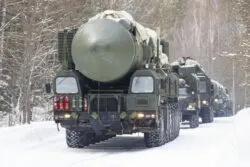
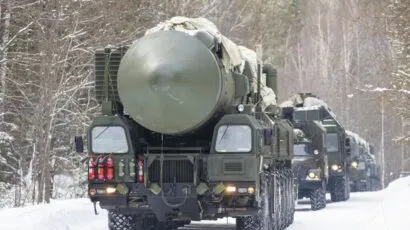
Military trucks carrying large missile systems drive on a snow-covered road through a forested area.

Nuclear Notebook: The changing nuclear landscape in Europe

This issue's column reviews the status of nuclear weapons and nuclear operations in Europe.
observers watching atomic bomb test, 1950s

Introduction: Nuclear Risk

Since the decimation of two Japanese cities at the end of World War II, the Bulletin has focused on both sides of the nuclear dual-use problem: How to reduce (or even eliminate) the possibility of a nuclear war that could end civilization, while maximizing the peaceful uses of nuclear energy.
schematics of Fat Man bomb

Eighty years and 89 seconds: It’s time to fight against midnight

In the 80th year of the nuclear age, with just 89 seconds left on the Doomsday Clock, every nuclear challenge is trending in the wrong direction.
War Games movie simulation of control room

Algorithms of misperception: Managing nuclear risk in an AI world

The new nuclear age differs from previous eras in an important way: The current era is shaped by information abundance. But that abundance comes with a paradox: With more data there is also an increase in noise, deception, and potential misperception that could have crucial consequences in managing nuclear crises.
nuclear reactor construction

Whence nuclear power in the 21st century?

Whether a nuclear renaissance actually occurs in the coming decade or two depends on three fundamental questions: Are the new designs safer than their predecessors? Do the new designs lead to changes in dealing with nuclear waste? And do these new designs raise additional (or new) questions regarding nuclear weapons proliferation?
anti and pro nuclear energy posters

The debate about nuclear energy must be reframed for the future

Discussion about nuclear energy has long been marked by extreme polarization, with proponents and opponents seeming to inhabit separate worlds when making wildly different claims about the future of nuclear energy. In making these claims, proponents and opponents do not engage with one another, hoping to learn; rather, they try to evangelize, seeking to convince the other side of what they view as universal truths about nuclear energy. But there could be a different way of discussing the many issues around nuclear power.
Climate change - space - hurricane

Introduction: Climate Change

For over a century, humanity has rampantly burned fossil fuels to power the machinery of modern life, inexorably releasing gases into the atmosphere that are changing the Earth’s climate.
solar panels in field

The brightest light at the end of the tunnel

The Bulletin of the Atomic Scientists has championed solar power and other renewable energy sources for the sake of humanity and the planet nearly as long as it has been warning about the dangers of nuclear weapons. In 1951, just six years after its founding, the magazine published an article about the possibilities of solar power. The first practical photovoltaic cell was developed three years later. If humanity survives the climate crisis, it will likely be due to the solar revolution.
kids pulling back the hands of the Doomsday Clock

Looming climate doomsday demands creativity, ambition, and societal transformation

The climate movement is at a crossroads. The youth climate strikes have dissipated, a climate change denialist is back in the White House, and the public is as apathetic as ever to the threat of climate crisis. A climate activist who has organized for climate justice since 2017 shares his thoughts about the path forward for a movement in need of revitalization.
Covid response team, WHO, Bangladesh

Introduction: Biosecurity

A virus spillover in the animal trade, a research mishap at a biolab, or the intentional use of a bioweapon—any one of these could have dire consequences for the world. The COVID pandemic killed some 7 million people worldwide, but that’s not an upper limit. The next crisis could prove far worse.

The United States isn’t prepared for another pandemic. Here’s what should happen

Although the COVID pandemic led to a better understanding of the coronaviruses, viruses, and vaccines, a backlash emerged to public health measures that helped elevate anti-vaccine activists and hostility toward vaccines, including the mRNA vaccine platform that helped end the COVID emergency. Epidemiologist Michael Osterholm believes that the response to the COVID pandemic hasn’t been properly examined and that the Trump administration, which includes strong anti-vaccine voices, has made the United States less prepared for a future pandemic.
lab worker putting on PPE gear

Use all the tools of the trade: Building a foundation for the next era of biosecurity

The coming era of biosecurity will demand a broader and more adaptive approach as AI, powerful biological engineering techniques, and globalized scientific research drive progress in biotechnology.

Introduction: Disruptive Technology

From the introduction of the printing press to the launch of the internet, human inventions have always altered how humans live, often resulting in profound cultural shifts. And while these disruptions often improved life, each new development also carried the risk of undesirable effects far more consequential than their benefits.
missile spiraling out of control during test

Stopping the Clock on catastrophic AI risk

AI is already sufficiently robust that it introduces new global risks and exacerbates existing threats. Its development is being driven by some of the most powerful companies on Earth, and the technology is becoming increasingly intertwined in high-stakes geopolitics. There has never been a greater need for independent voices on AI's science, risks, and governance. This is a role that the Bulletin is positioned to play.
garden maze at Scottish estate

Decisions about AI will last decades. Researchers need better frameworks

The decisions that leaders make today about artificial intelligence governance and research priorities could create paths that last for generations. A rigorous, multi-field collaboration is critical at this exact moment, when decision makers are setting foundational defaults.

What happens when seeing is no longer believing?

Two fast-accelerating trends in how people consume and produce information—in selective exposure to agreeable content and in our ability to generate realistic-looking audio, documents, photos, and video about things which never really happened—are coming together in ways that pose clear threats to the deliberation that makes those benefits possible.

Division begets division in the age of algorithmic classification

The online information landscape, driven in large part by social media, rewards engagement and is curated by classification algorithms. This simple combination is the problem at the heart of society’s fracturing and discord. To slow societal division and potentially return from the brink, people must first understand how fundamental the problem is. Only then can they devise solutions to help push back against the algorithmic forces trying to tear society apart.
Military trucks carrying large missile systems drive on a snow-covered road through a forested area.

Nuclear Notebook: The changing nuclear landscape in Europe

This issue's column reviews the status of nuclear weapons and nuclear operations in Europe.

...AND WAY BACK THEN

2020s

Mask-and-numbers. Image courtesy of BrownMantis / Pixabay
2023

Will AI make us crazy?

By Dawn Stover

J. Robert Oppenheimer as seen on his laminated security badge for the Manhattan Project during World War II. Image courtesy of Los Alamos National Laboratory’s National Security Research Center library.
2023

“He did not speak the ordinary language”: Memories of Oppie, from a Manhattan Project physicist

By Dan Drollette Jr

Oppenheimer movie scene
2023

An extended interview with Christopher Nolan, director of Oppenheimer

By John Mecklin

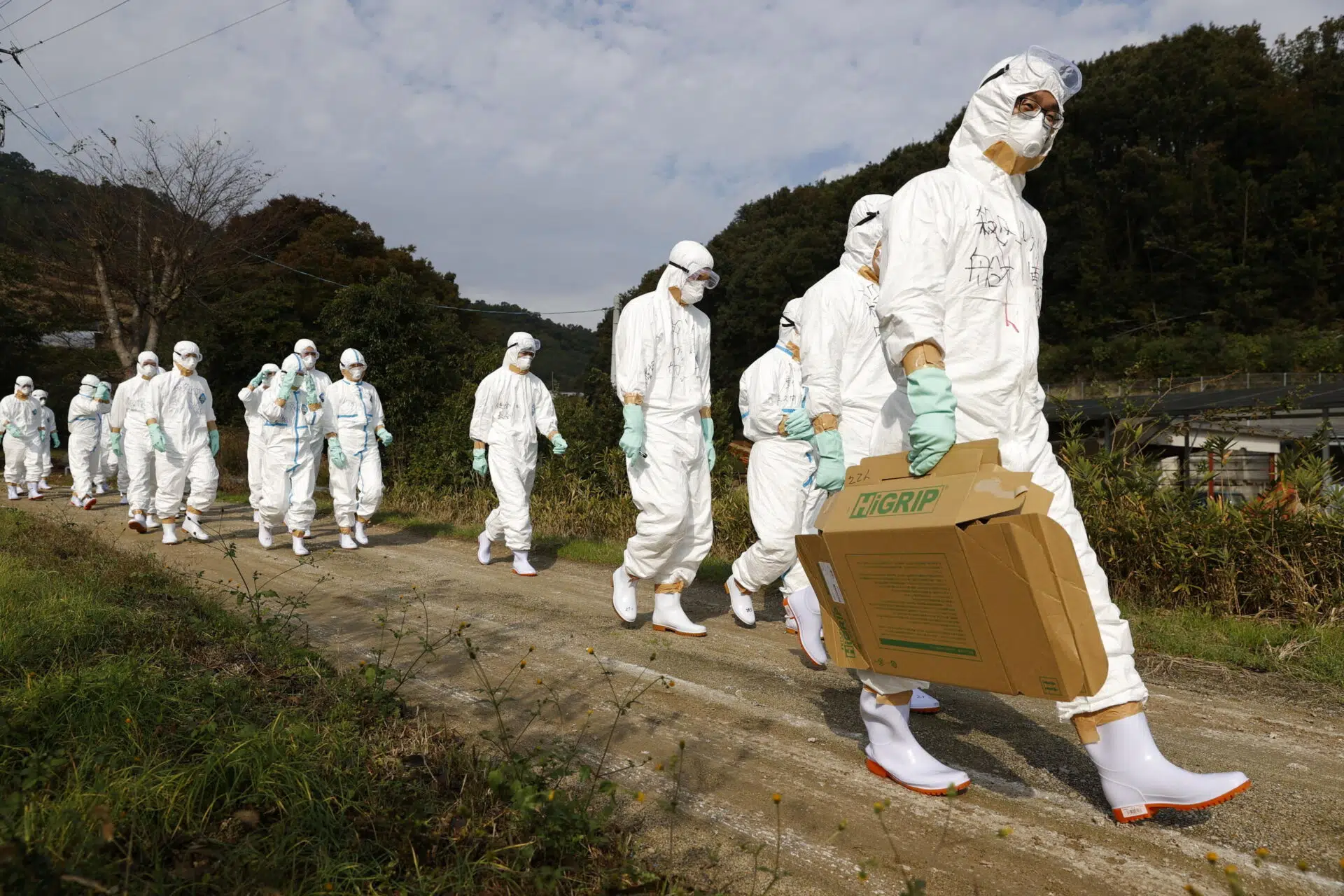
Officials in protective suits head to a poultry farm for a suspected bird flu case in Higashikagawa, western Japan
2022

Is the next pandemic brewing on the Netherlands’ poultry farms

By Paul Tullis

US ICBM Test
2021

Why is America getting a new $100 billion nuclear weapon?

By Elisabeth Eaves

The Houston Ship Channel winds through the city's colossal industrial landscape of tanks filled with chemicals. (Glasshouse Images)
2021

Gathering storm: The industrial infrastructure catastrophe looming over America’s Gulf Coast

By Tristan Baurick

Members of the World Health Organization (WHO) team investigating the origins of the COVID-19 coronavirus arrive by car at the Wuhan Institute of Virology on February 3. (Photo by HECTOR RETAMAL/AFP via Getty Images)
2021

The origin of COVID: Did people or nature open Pandora’s box at Wuhan?

By Nicholas Wade

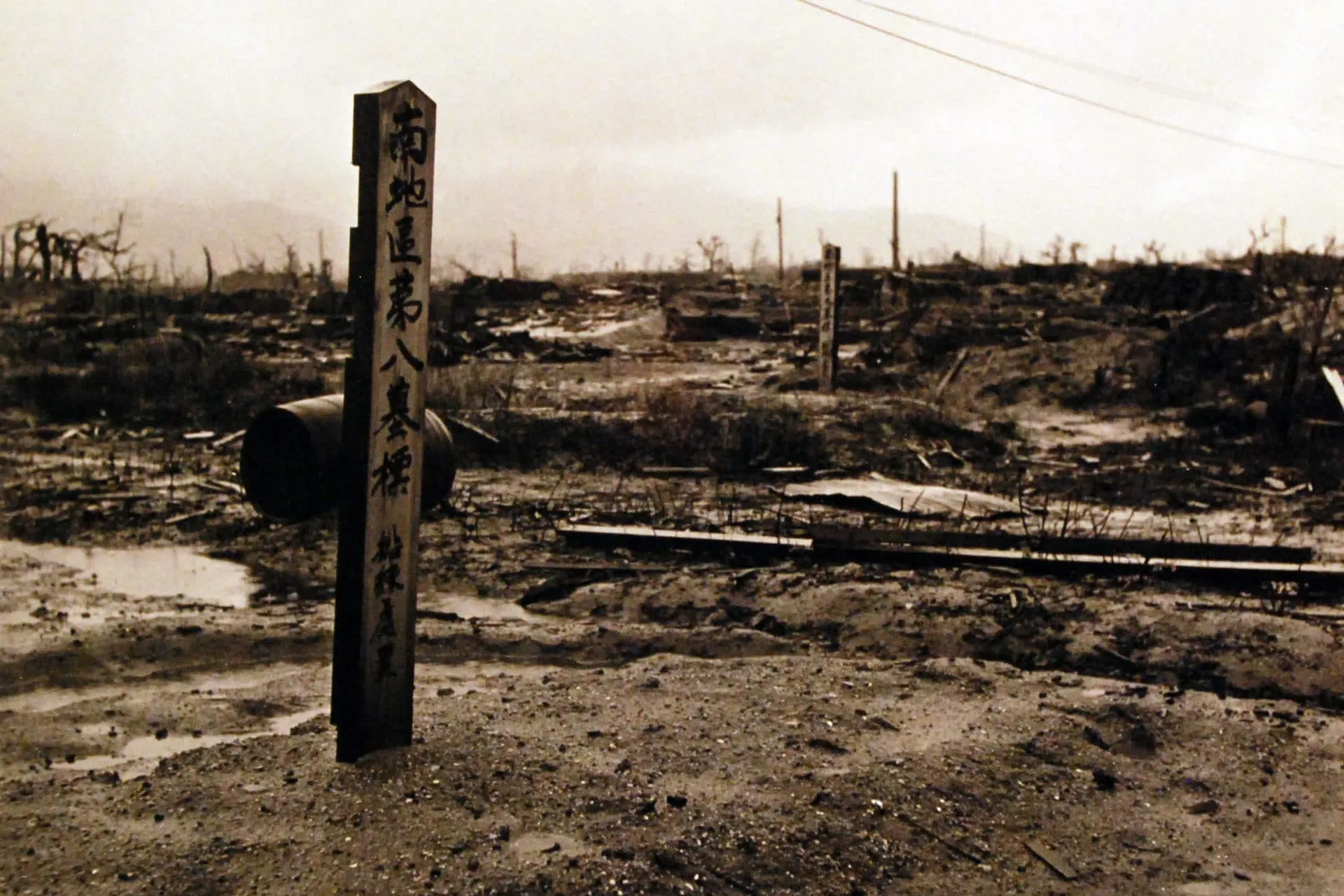
Mass grave markers in Hiroshima, photographed by Lieutenant Wayne Miller in September 1945. (US Navy / National Archives)
2020

Counting the dead at Hiroshima and Nagasaki

By Alex Wellerstein

2010s

21516_1460e-reduced
2018

Facing nuclear reality: 35 years after The Day After

By Dawn Stover

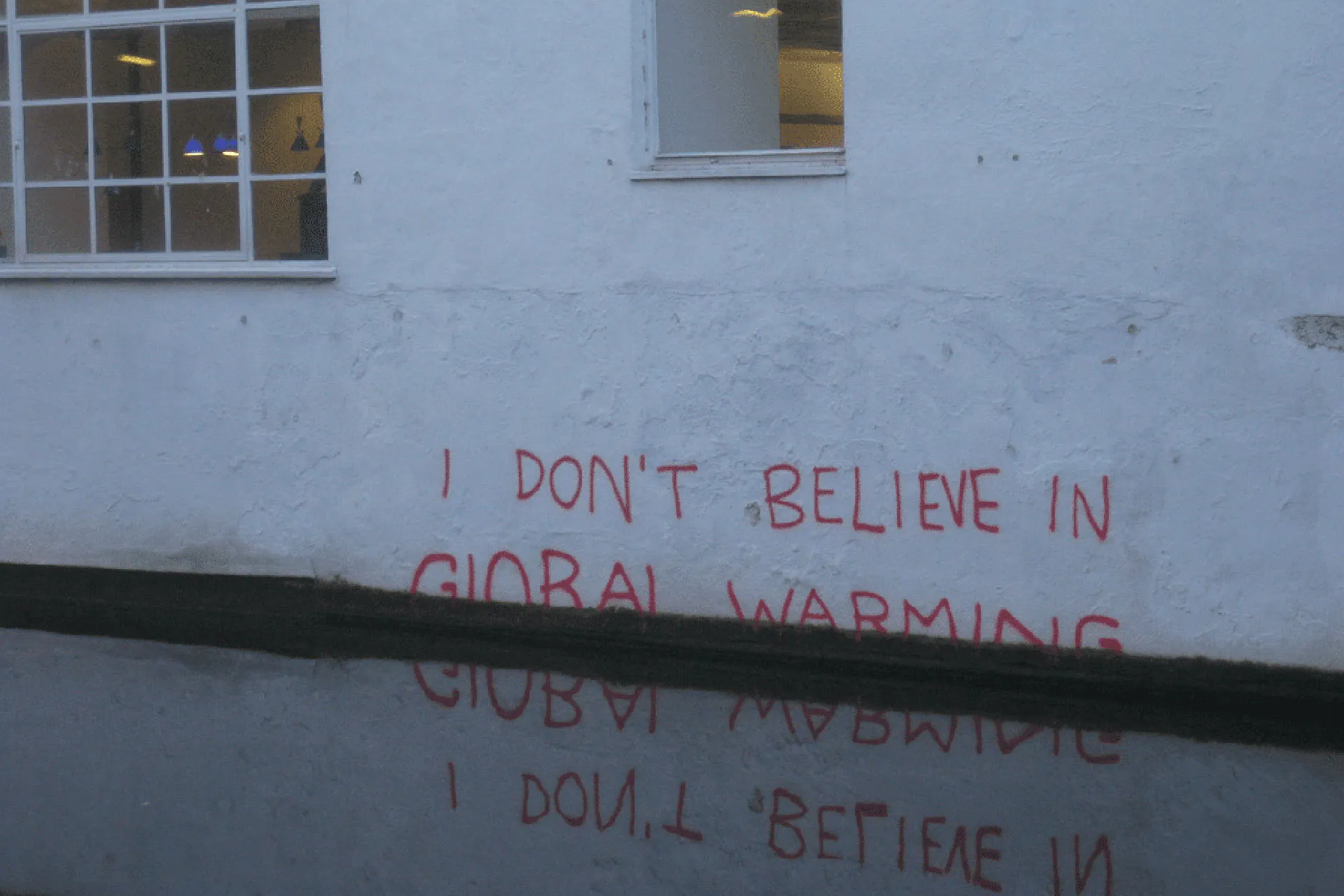
Graffiti in London, possibly a work of Banksy. Photo credit: Matt Brown
2018

Thanksgiving advice: How to deal with climate change denying Uncle Pete

By Richard C.J. Somerville

Vladimir Putin smiles and looks at camera in red overlay color
2016

Putin, the one-man show the West doesn’t understand

By Fiona Hill

Mockup of Fat Man, the Nagasaki bomb
2015

The harrowing story of the Nagasaki bombing mission

By Ellen Bradbury and Sandra Blakeslee

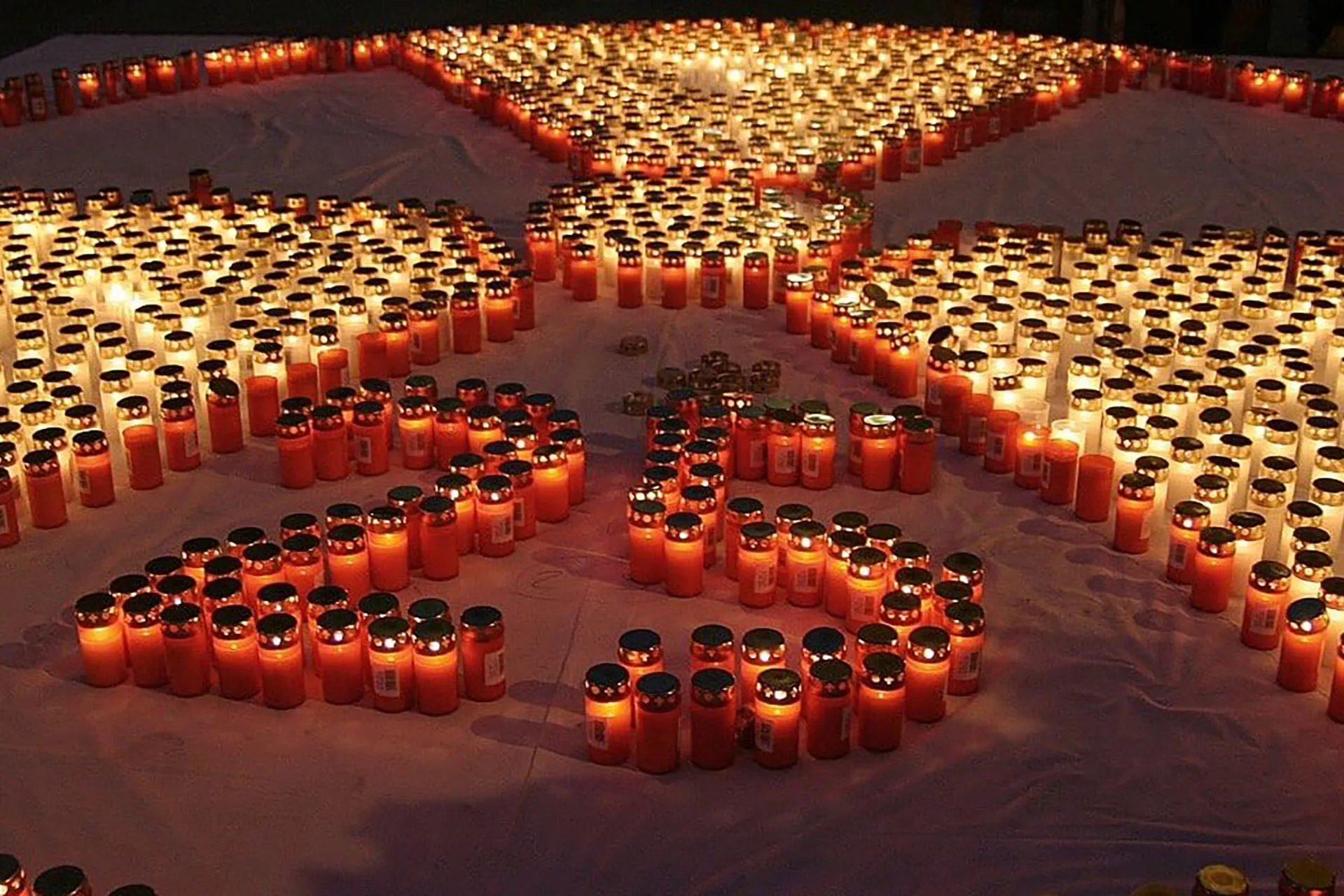
Commemoration in Vienna 25 years after the nuclear disaster in Chernobyl. Photo credit: Manfred Werner.
2011

Chernobyl 25 years later: Many lessons learned

By Mikhail Gorbachev

1940s – 2000s

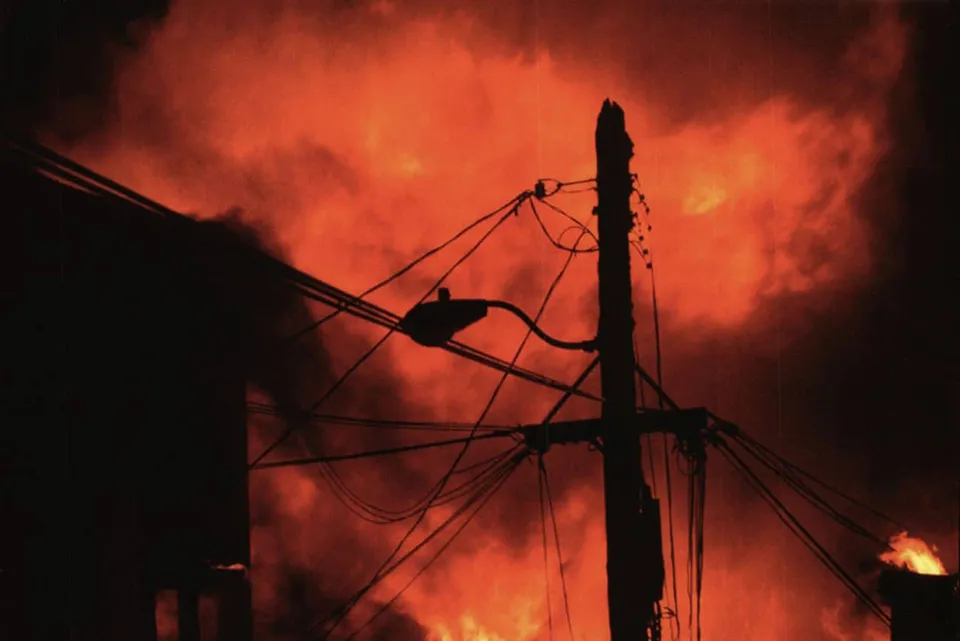
Blazing fire and electricity poles. Image courtesy of UPI Photo Service
2004

City on fire

By Lynn Eden

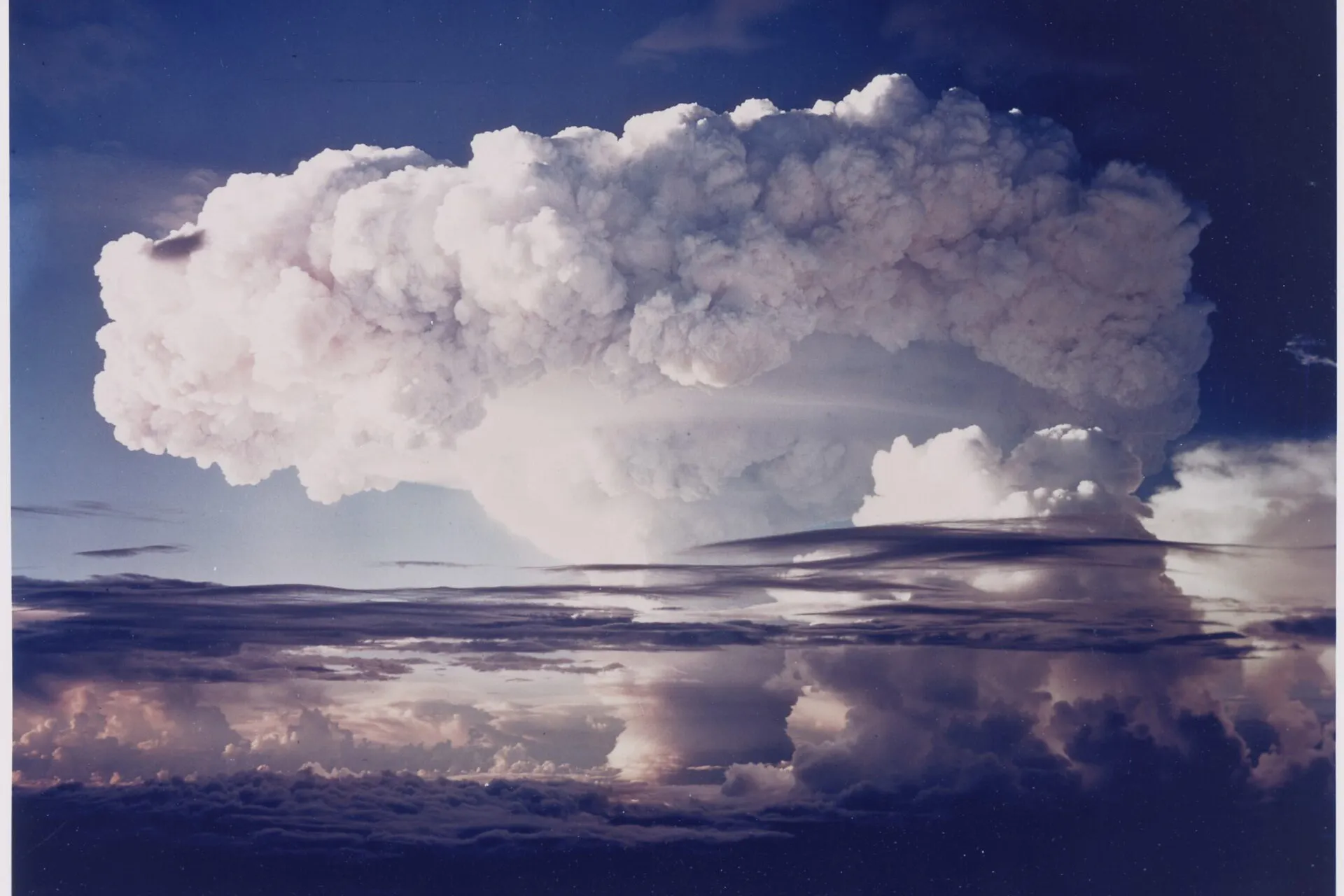
Explosion of the first hydrogen bomb, during a test on Eniwetok Atoll in the Marshall Islands, as part of Operation Ivy Mike on November 1, 1952. Sometimes called the “Super” bomb at the time, this was to be the first full-blown test of what was to become known as the Teller-Ulam design for a fusion device. Edward Teller pressed for the first hydrogen bomb test, which was conducted just days before a presidential election. Public domain image, courtesy of US Department of Energy, Office of Public Affairs, via Wikimedia Commons
1990

The H-Bomb: Who really gave away the secret?

By Daniel Hirsch and William G. Matthews

Magazine cover depicting explosion at a nuclear plant. Chernobyl. The Emerging Story.
1986

Hospital Number Six: a first-hand report

By Michael McCally, MD

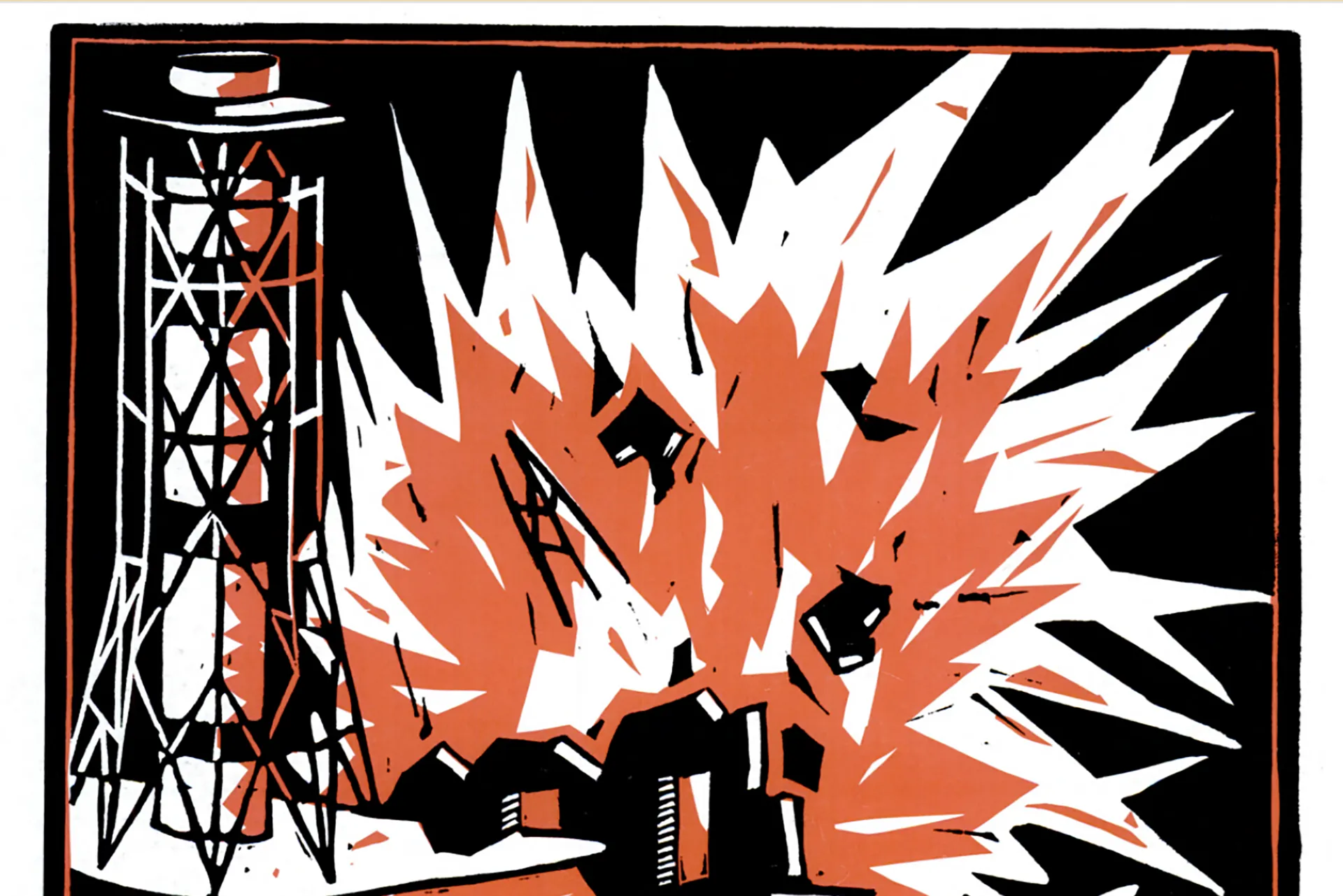
Oppenheimer: The case re-examined in the light of Watergate. Original Bulletin of the Atomic Scientists cover of September 1977.
1977

The Oppenheimer case: A study in the abuse of law

By Harold P. Green

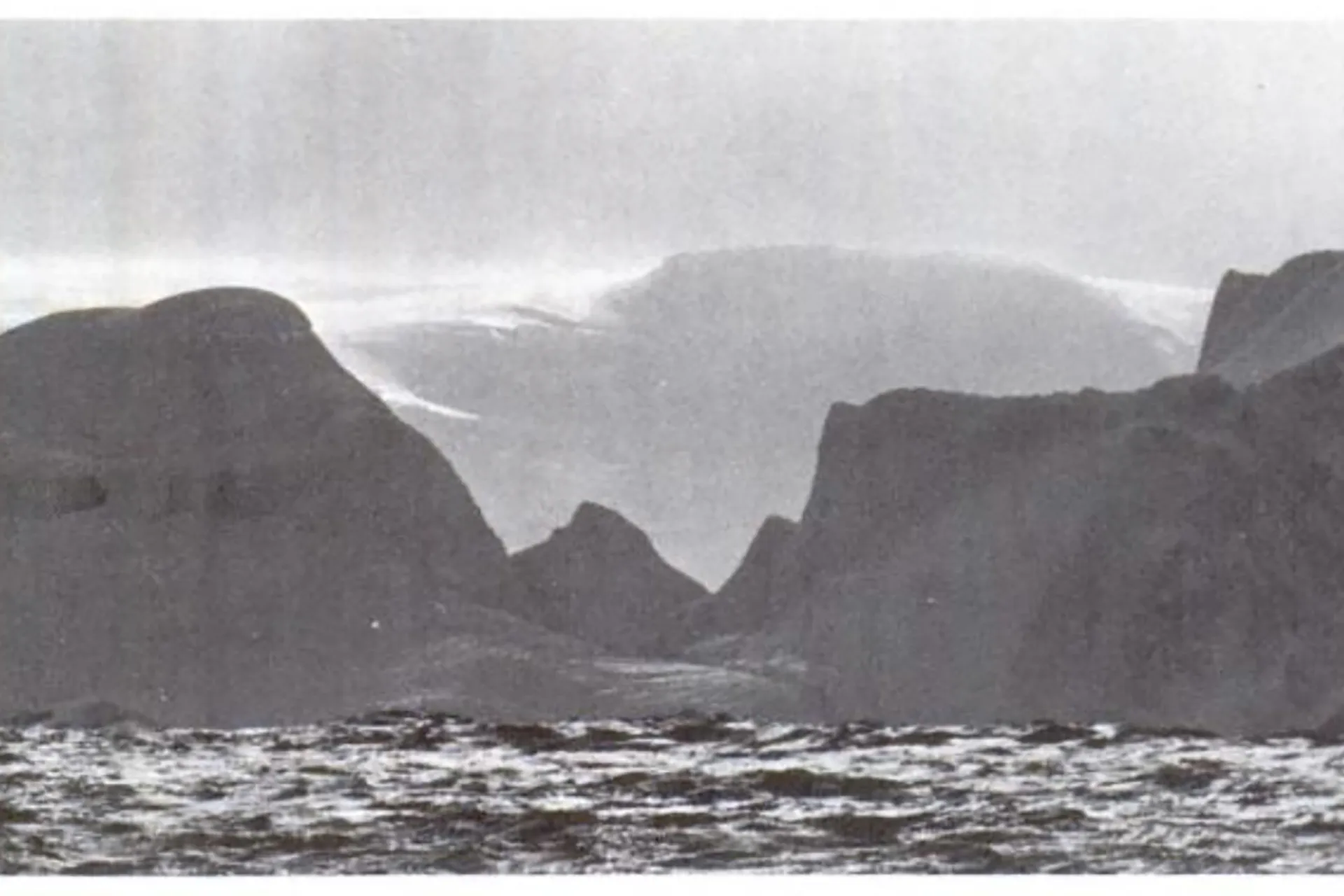
B/W image of iceberg, from the 1970s. Image courtesy of Joseph O. Fletcher
1970

Polar Ice and the Global Climate Machine

By Joseph O. Fletcher

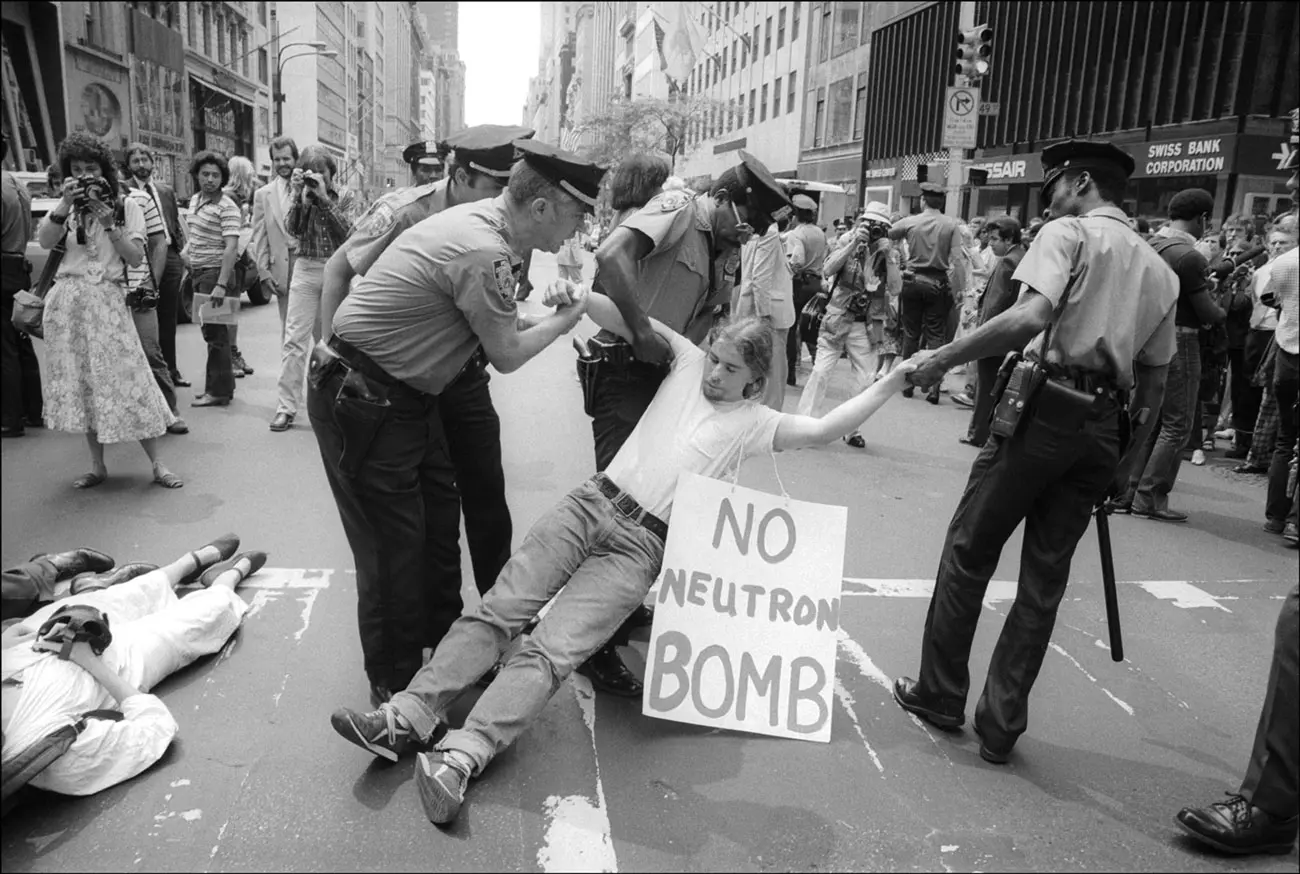
An anti-neutron bomb demonstrator is arrested for sitting in on 5th Ave, New York, New York, August 13, 1981. (Photo by Allan Tannenbaum/Getty Images)
1961

The neutron bomb

By Freeman Dyson

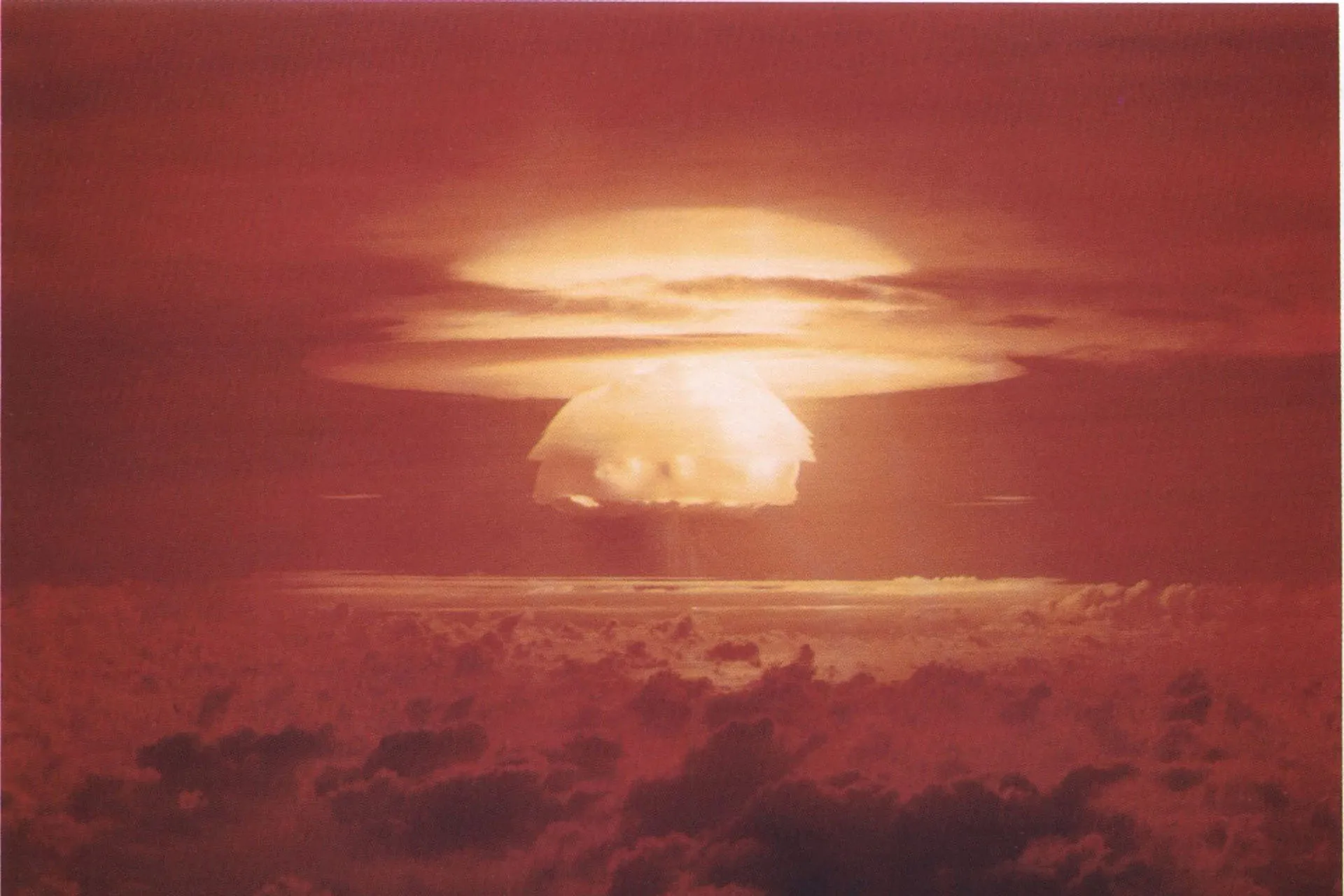
Bravo test at Bikini Atoll 1954
1950

The Hydrogen Bomb

By Hans Bethe

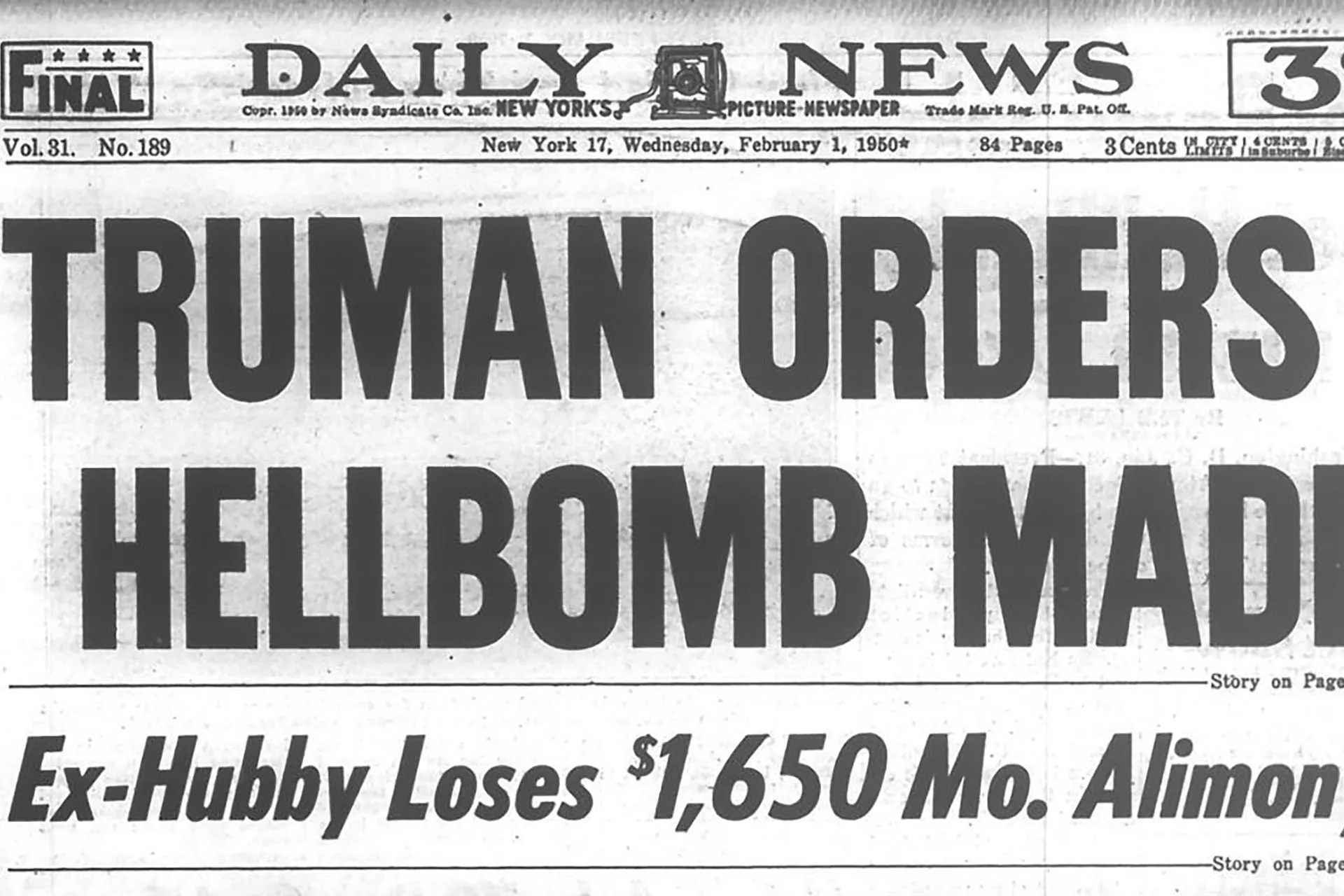
Daily News newspaper cover from 1950 February 1. Headline reads: Truman orders hellbomb made.
1950

What the scientists are saying about the H-bomb

By Albert Einstein and Edward Teller

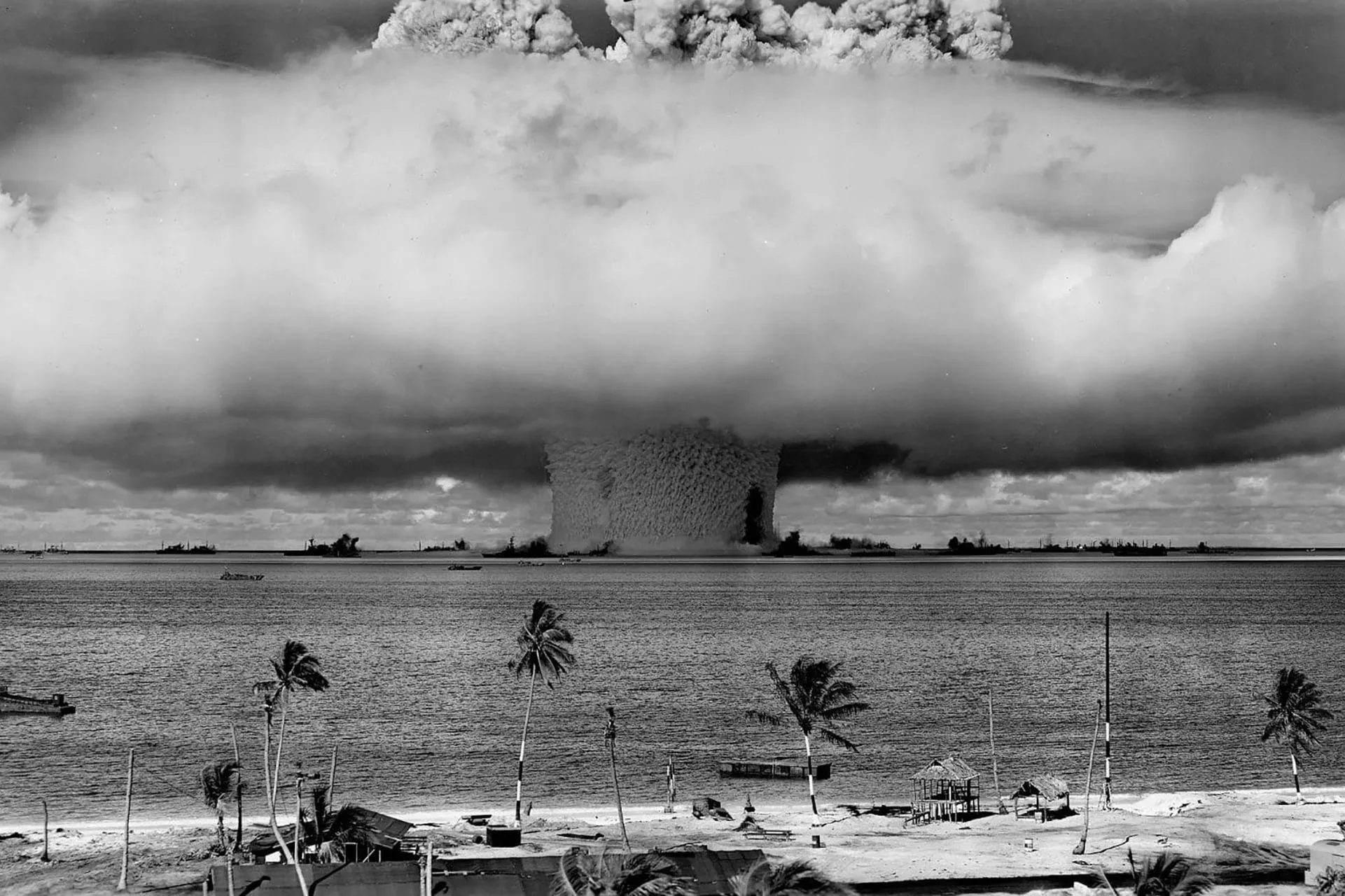
Wide panoramic view of Bikini atom bomb test
1946

The Bikini Tests and Public Opinion

By William L. Laurence

December 2025
Subscribe now

We've relaunched the Bulletin's award-winning digital magazine. Get access to every issue and our archive going back to 1945.

Magazine archive

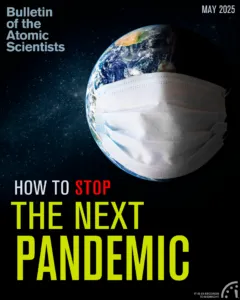
May 2025 cover of the Bulletin of the Atomic Scientists, featuring an illustration of the Earth wearing a surgical mask above the headline 'How to Stop the Next Pandemic'.
Albert Einstein in Washington, D.C., between 1921 and 1923. Harris & Ewing, photographers. Courtesy of the Library of Congress. https://www.loc.gov/pictures/item/2016885961/

Premium subscribers can read the complete Bulletin of the Atomic Scientists’ archive, which contains every article published since our founding in 1945.

This archive was created in honor of John A. Simpson, one of the Bulletin’s principal founders and a longtime member of its Board of Sponsors. This searchable archive provides exclusive online access to original interviews and commentary by luminaries like Albert Einstein, J. Robert Oppenheimer, Ruth Adams, John F. Kennedy, Stephen Hawking, Christine Todd Whitman, US Secretary of Defense William J. Perry, and multiple Nobel laureates.