Follow our Iran coverage

DIGITAL MAGAZINE

July 2026

DIGITAL MAGAZINE

July 2026

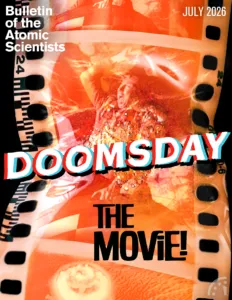
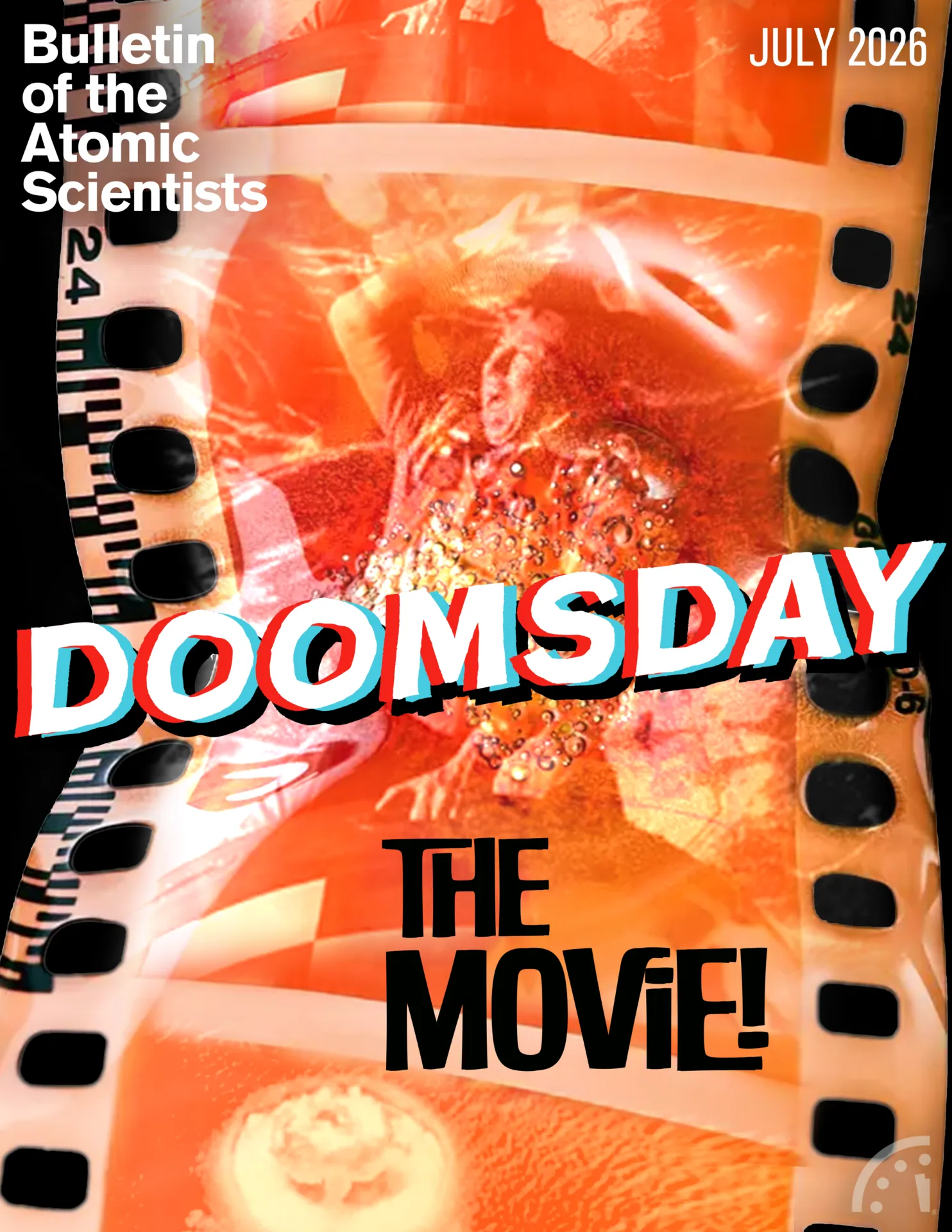
Cover by Thomas Gaulkin.
Dr. Strangelove film stills courtesy of Columbia Pictures; burnt film strip by Pearljamfan75 / Dreamstime.com.

Introduction: Doomsday and the movies

These essays delve into the quality of the movies as art, and whether the movies have or have not been effective in bringing ethical concerns to light, raising public awareness, and inspiring public activism. These articles go into the best (and maybe some of the worst) movies on nuclear risk (be it nuclear weapons or nuclear energy); climate change; biological threats, and artificial intelligence.
Introduction: Doomsday and the movies

These essays delve into the quality of the movies as art, and whether the movies have or have not been effective in bringing ethical concerns to light, raising public awareness, and inspiring public activism. These articles go into the best (and maybe some of the worst) movies on nuclear risk (be it nuclear weapons or nuclear energy); climate change; biological threats, and artificial intelligence.

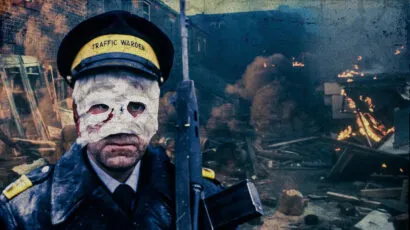
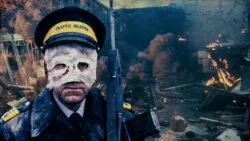
traffic warden with rifle and mask

The brutal, powerful legacy of Threads

Mick Jackson’s 1984 film Threads endures as the most devastating depiction of nuclear war in apocalyptic cinema. Its portrayal of societal collapse is unrelenting. Threads depicts nuclear war as a catastrophe that extends far beyond the initial exchange, tracing the long-term degradation of social order, governance, language, and human development across generations. Compared to the better-known American television film The Day After, Threads had less influence on public opinion and policy at the time of its release. But its scenario of escalation from a Middle Eastern crisis has acquired renewed relevance in the 21st century.
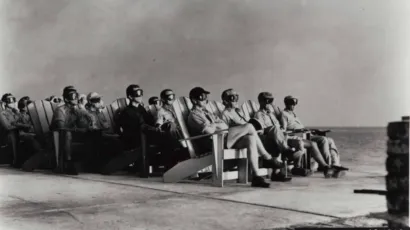
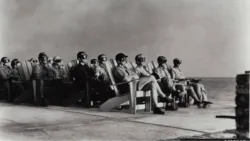
VIP observers of H-bomb test

How the movies (and the rest of the media) made me into an anti-nuclear weapons campaigner

What effect can movies and other media have on raising public awareness and inspiring public activism? Perhaps there is no better person to ask than Helen Caldicott, who—after first reading the 1957 book "On the Beach" and then seeing the subsequent movie—went on to become one of the world’s most prominent anti-nuclear activists, and an inspiration to others in the nuclear non-proliferation community.
Screenshot of real 2025 ad for the Nucleus Embryo company

Gattaca and the quiet Doomsday of genetic determinism

Gattaca was a box-office disappointment when it was released in 1997. It has since become one of the most influential cultural texts to explore biotechnology and its social consequences, especially in a world where CRISPR-based gene editing, embryo screening, and consumer genomics are becoming more common.
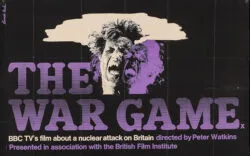
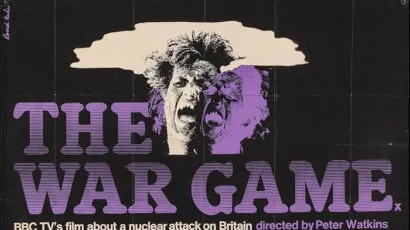
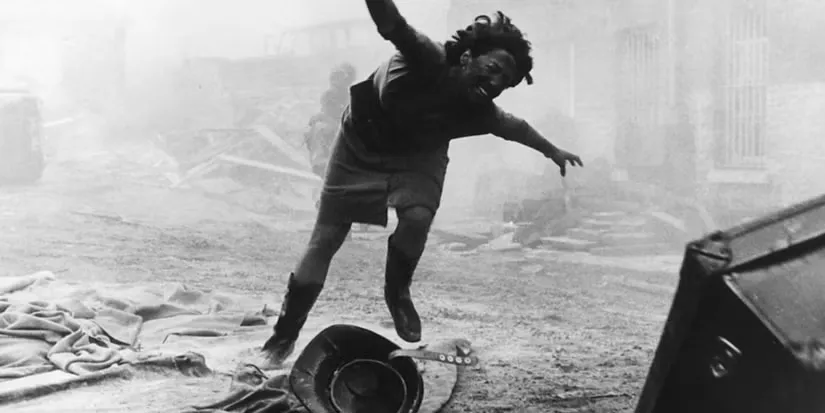
Poster from “The War Game.” Via BBC.

A film about nuclear war “too horrifying for the medium of broadcasting”

The scariest movie I've ever seen is not a Hollywood blockbuster from the ‘90s, often referred to as “the golden age for disaster movies.” Instead, it’s something much less well-known: a 47-minute, black-and-white, pseudo-documentary made decades earlier in Britain that more-or-less immediately disappeared—possibly because those who commissioned it thought the result “too horrifying for the medium of broadcasting.”
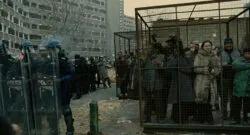
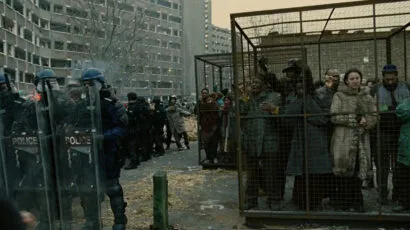
refugees locked in cages, in science fiction film Children of Men

Treat me like a human: the prescience of Children of Men

The images and themes in the Britain of Alfonso Cuarón’s 2006 film Children of Men resonate with current politics. In this childless world, the state mandates fertility tests of its citizens, while also forcing refugees and immigrants into cages and sprawling detention zones. State power is unleashed on human bodies, as certain lives are prized and encouraged to have babies, while others are deemed not worth living. The themes of fertility and the status of the human in this science fiction film from 20 years ago are reflected in the real world we live in today.
Hiroshima 2 hours after bomb dropped

The Manhattan Project first created the Bomb. Then they created its story—as revealed in the documentary “Bombshell”

There was more to the Manhattan Project than just creating an atomic bomb. There was also the effort to spin the story afterward, by co-opting the press and presenting a benevolent picture of atomic power that minimized the horrific human toll of the bombings.
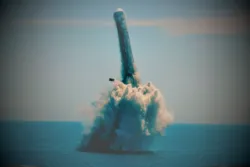
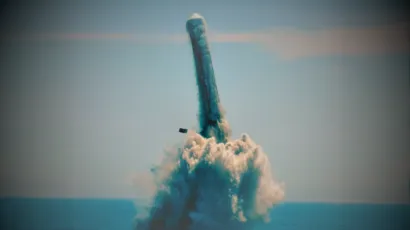
A submarine-launched missile emerges vertically from the ocean, creating a large splash and plume of water and vapor.

Chinese nuclear weapons, 2026

The modernization of China’s nuclear arsenal has both accelerated and expanded in recent years. We estimate that China now possesses approximately 620 nuclear warheads, with more in production to arm future delivery systems.
traffic warden with rifle and mask

The brutal, powerful legacy of Threads

Mick Jackson’s 1984 film Threads endures as the most devastating depiction of nuclear war in apocalyptic cinema. Its portrayal of societal collapse is unrelenting. Threads depicts nuclear war as a catastrophe that extends far beyond the initial exchange, tracing the long-term degradation of social order, governance, language, and human development across generations. Compared to the better-known American television film The Day After, Threads had less influence on public opinion and policy at the time of its release. But its scenario of escalation from a Middle Eastern crisis has acquired renewed relevance in the 21st century.
VIP observers of H-bomb test

How the movies (and the rest of the media) made me into an anti-nuclear weapons campaigner

What effect can movies and other media have on raising public awareness and inspiring public activism? Perhaps there is no better person to ask than Helen Caldicott, who—after first reading the 1957 book "On the Beach" and then seeing the subsequent movie—went on to become one of the world’s most prominent anti-nuclear activists, and an inspiration to others in the nuclear non-proliferation community.
Screenshot of real 2025 ad for the Nucleus Embryo company

Gattaca and the quiet Doomsday of genetic determinism

Gattaca was a box-office disappointment when it was released in 1997. It has since become one of the most influential cultural texts to explore biotechnology and its social consequences, especially in a world where CRISPR-based gene editing, embryo screening, and consumer genomics are becoming more common.
Poster from “The War Game.” Via BBC.

A film about nuclear war “too horrifying for the medium of broadcasting”

The scariest movie I've ever seen is not a Hollywood blockbuster from the ‘90s, often referred to as “the golden age for disaster movies.” Instead, it’s something much less well-known: a 47-minute, black-and-white, pseudo-documentary made decades earlier in Britain that more-or-less immediately disappeared—possibly because those who commissioned it thought the result “too horrifying for the medium of broadcasting.”
refugees locked in cages, in science fiction film Children of Men

Treat me like a human: the prescience of Children of Men

The images and themes in the Britain of Alfonso Cuarón’s 2006 film Children of Men resonate with current politics. In this childless world, the state mandates fertility tests of its citizens, while also forcing refugees and immigrants into cages and sprawling detention zones. State power is unleashed on human bodies, as certain lives are prized and encouraged to have babies, while others are deemed not worth living. The themes of fertility and the status of the human in this science fiction film from 20 years ago are reflected in the real world we live in today.
Hiroshima 2 hours after bomb dropped

The Manhattan Project first created the Bomb. Then they created its story—as revealed in the documentary “Bombshell”

There was more to the Manhattan Project than just creating an atomic bomb. There was also the effort to spin the story afterward, by co-opting the press and presenting a benevolent picture of atomic power that minimized the horrific human toll of the bombings.
A submarine-launched missile emerges vertically from the ocean, creating a large splash and plume of water and vapor.

Chinese nuclear weapons, 2026

The modernization of China’s nuclear arsenal has both accelerated and expanded in recent years. We estimate that China now possesses approximately 620 nuclear warheads, with more in production to arm future delivery systems.

Cover by Thomas Gaulkin.
Dr. Strangelove film stills courtesy of Columbia Pictures; burnt film strip by Pearljamfan75 / Dreamstime.com.

Subscribe now

We've relaunched the Bulletin's award-winning digital magazine. Get access to every issue and our archive going back to 1945.

Magazine archive

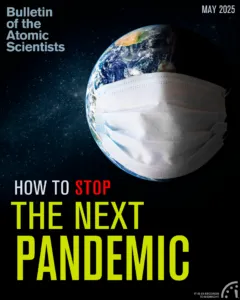
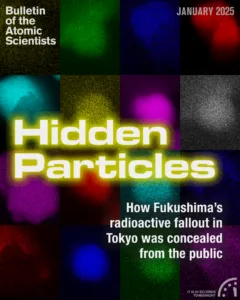
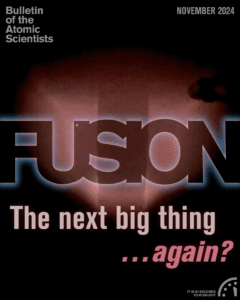
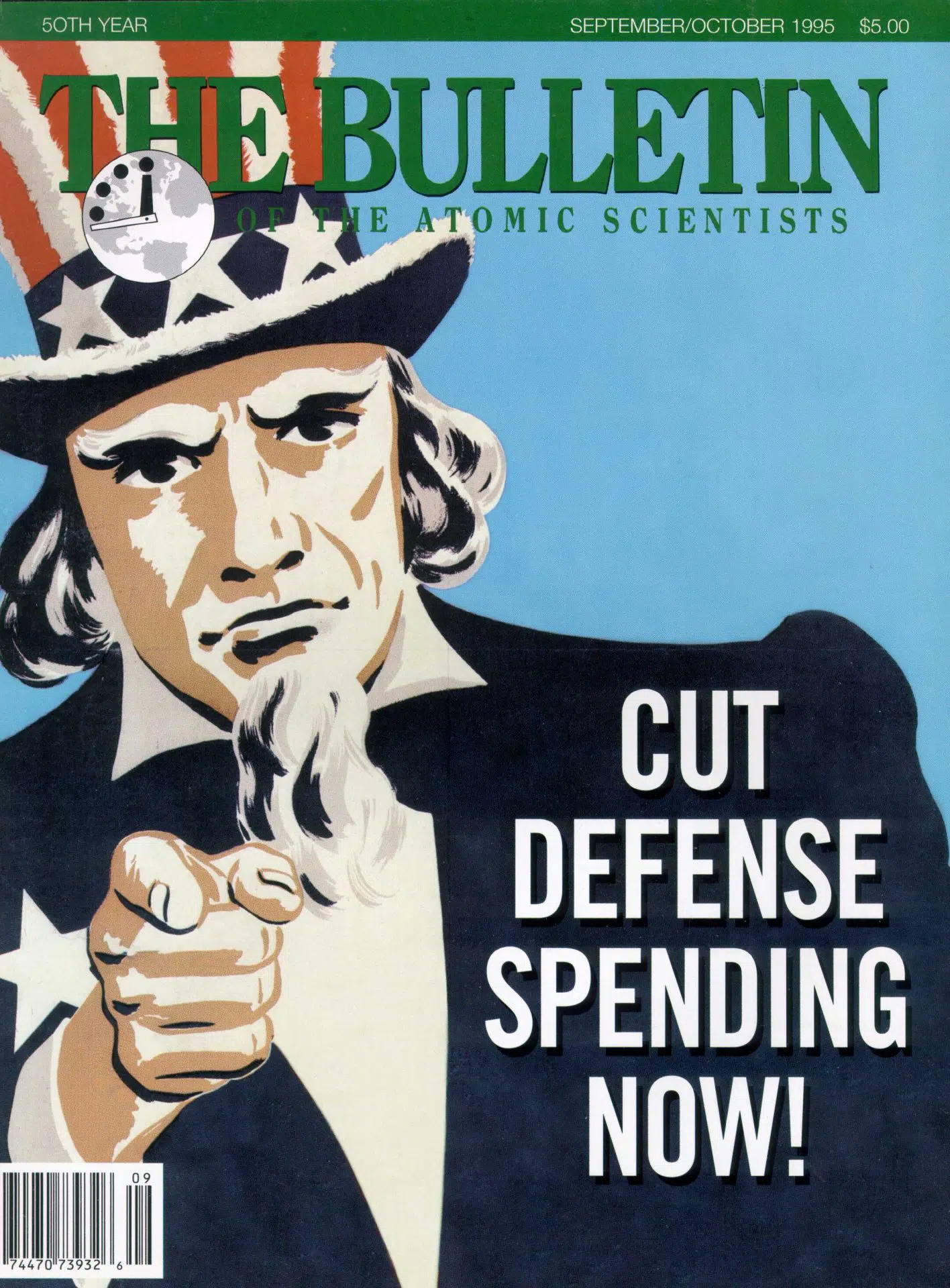
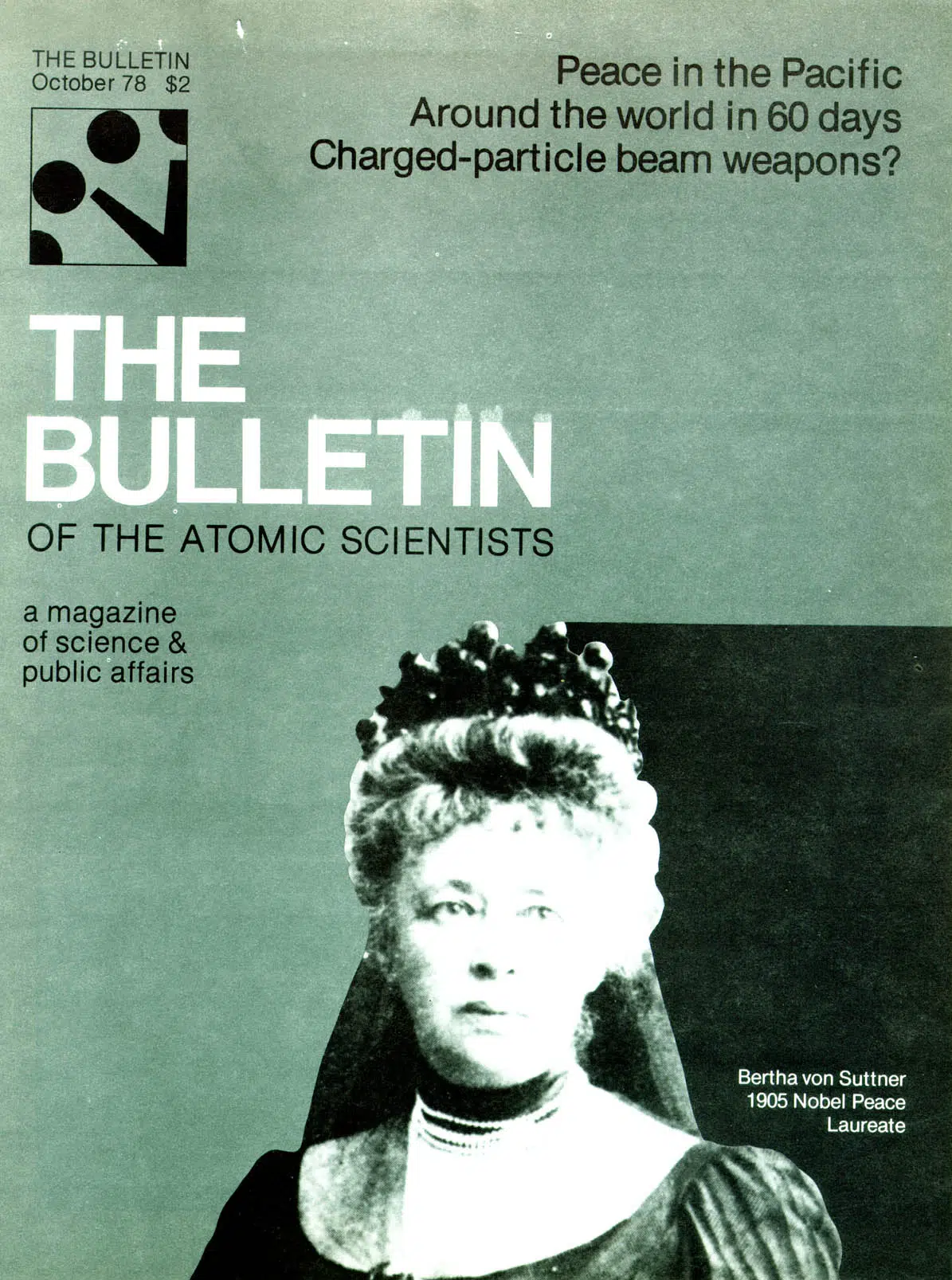
May 2025 cover of the Bulletin of the Atomic Scientists, featuring an illustration of the Earth wearing a surgical mask above the headline 'How to Stop the Next Pandemic'.
Albert Einstein in Washington, D.C., between 1921 and 1923. Harris & Ewing, photographers. Courtesy of the Library of Congress. https://www.loc.gov/pictures/item/2016885961/

Premium subscribers can read the complete Bulletin of the Atomic Scientists’ archive, which contains every article published since our founding in 1945.

This archive was created in honor of John A. Simpson, one of the Bulletin’s principal founders and a longtime member of its Board of Sponsors. This searchable archive provides exclusive online access to original interviews and commentary by luminaries like Albert Einstein, J. Robert Oppenheimer, Ruth Adams, John F. Kennedy, Stephen Hawking, Christine Todd Whitman, US Secretary of Defense William J. Perry, and multiple Nobel laureates.