• About
  • Magazine
  • Events
  • Contact
  • Store
  • My Account
  • Login
  • Donate
    • Give Now
    • Ways To Give
    • What Your Gift Supports
    • Annual Event
    • Einstein Circle
    • Legacy Society
    • Donor-Advised Fund
Donate logo footer
logo footer
  • Doomsday Clock
  • Nuclear Risk
  • Climate Change
  • Disruptive Technologies
  • Biosecurity
A clock reading 85 seconds to midnight
A clock reading 90 seconds to midnight
Bulletin of the Atomic Scientists, with a clock reading 90 seconds to midnight
  • Doomsday Clock
    • Overview
    • Doomsday Clock Statement
    • The Clock Setters
    • Timeline
    • FAQ
    • Virtual Tour
    • Doomsday Clock Playlist
  • Topics
    • Nuclear Risk
    • Climate Change
    • Disruptive Technologies
    • Biosecurity
    • Nuclear Notebook
    • What’s new at the Bulletin
  • Magazine
    • Login
    • Current Magazine Issue
    • Subscribe to the Magazine
    • My Account
    • Magazine Archive
    • Magazine FAQ
    • Magazine Covers
  • Support Our Work
    • Ways To Give
    • Give Now
    • What Your Gift Supports
    • Annual Event
    • Einstein Circle
    • Legacy Society
    • Donor-Advised Fund
    • Store
  • Events
  • About Us
    • Our Mission
    • Leadership
    • Staff
    • Editorial Independence
    • Annual Report
    • Pathogens Project
    • Arts + Science Initiative
    • Next Generation Initiative
    • Open Positions
  • Contact Us
    • Send us a Tip
    • Write for Us
    • Permissions & Copyright
    • Media Inquiries
    • Support Our Work
    • Advertise
    • Email Us
  • Stay Connected
    • Newsletter
    • Email Courses
    • Facebook
    • LinkedIn
    • Bluesky
    • Twitter
    • Instagram
    • YouTube

Antarctica

An area of sea ice as big as France is gone from Antarctica’s west coast, as temperatures rise

By Graham Readfearn | Climate Change

dandelion mural on side of 12-story city building

“H is For Hope” sounded a bit better than “D is For Despair”: Interview with Elizabeth Kolbert about climate change

By Dan Drollette Jr | Climate Change

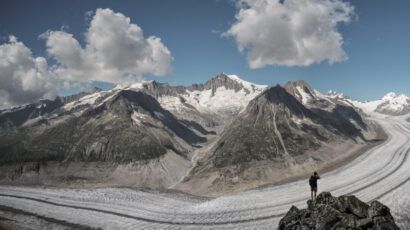
The Aletsch Glacier, largest of Switzerland's 1800 glaciers

Introduction: Praying for the ice (and snow, and water) as the climate changes

By Dan Drollette Jr | Climate Change

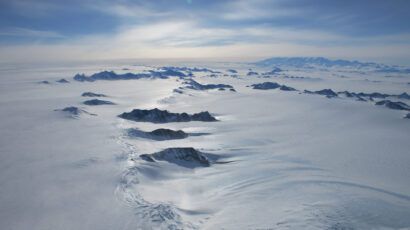
mountain peaks projecting up above a surface of inland ice and snow in West Antarctica

How we know Antarctica is rapidly losing more ice

By Martin Siegert | Climate Change

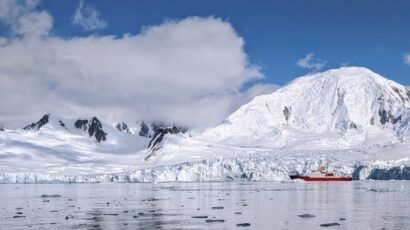
red research ship next to edge of Antarctic ice

When glaciers calve: Huge underwater tsunamis found at edge of Antarctica, likely affecting ice melt

By Michael Meredith | Climate Change

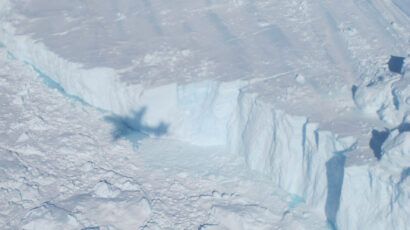
aerial view of ice calving in Greenland

Figuring out the most realistic projections for sea-level rise: Interview with glaciologist Rob DeConto

By Dan Drollette Jr | Climate Change, Special Topics

‘Uncharted territory’: Warming oceans and disappearing sea ice alarm scientists

By Jessica McKenzie | Climate Change

Earth has shifted on its axis due to melting of ice, study says

By Damian Carrington | Climate Change

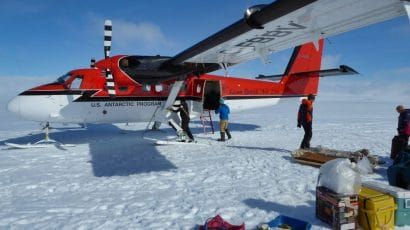
bright red-and-white plane on Antarctic ice

Bulletin’s best climate change coverage of 2020

By Dan Drollette Jr | Analysis, Climate Change

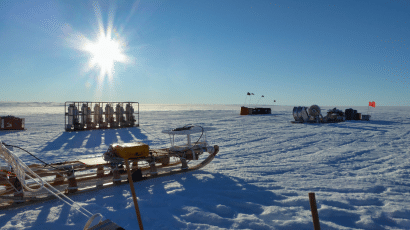
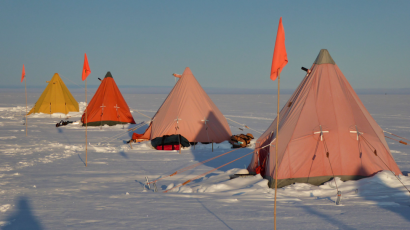
Known as pyramid tents or Scott tents, they’re essentially the same tent design used by the original polar explorers a hundred years ago, capable of withstanding winds of up to 70 miles per hour. “They’re just so good, they got the design perfect,” says the author. Image courtesy of Peter Davis.

Peter Davis of the British Antarctic Survey on changes in the Thwaites Glacier

By Dan Drollette Jr | Climate Change, Interviews

Known as pyramid tents or Scott tents, they’re essentially the same tent design used by the original polar explorers a hundred years ago, capable of withstanding winds of up to 70 miles per hour. “They’re just so good, they got the design perfect,” says the author. Image courtesy of Peter Davis.

Peter Davis of the British Antarctic Survey on changes in the Thwaites Glacier

By Dan Drollette Jr

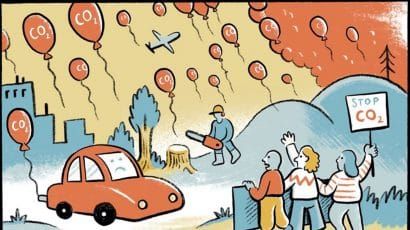
artist's rendering of CO2 as balloons in sky

How to explain climate change? With comic books

By Matteo Farinella | Climate Change
12

Don't miss an update

Subscribe to receive email updates
  • Doomsday Clock
  • Doomsday Clock Statement
  • The Clock Setters
  • Timeline
  • FAQ
  • Virtual Tour
  • Doomsday Clock Playlist
  • Topics
  • Nuclear Risk
  • Climate Change
  • Disruptive Technologies
  • Biosecurity
  • Nuclear Notebook
  • What’s new at the Bulletin
  • Magazine
  • Login
  • Current Magazine Issue
  • Subscribe to the Magazine
  • My Account
  • Magazine Archive
  • Magazine FAQ
  • Magazine Covers
  • Support Our Work
  • Ways To Give
  • Give Now
  • What Your Gift Supports
  • Annual Event
  • Einstein Circle
  • Legacy Society
  • Donor-Advised Fund
  • Store
  • About Us
  • Our Mission
  • Leadership
  • Staff
  • Events
  • Editorial Independence Policy
  • Annual Report
  • Pathogens Project
  • Arts + Science Initiative
  • Next Generation Initiative
  • Open Positions
  • Contact Us
  • Send us a Tip
  • Write for Us
  • Permissions & Copyrights
  • Media Inquiries
  • Support Us
  • Advertise
  • Email Us
  • Stay Connected
  • Get Our Newsletter
  • Email Courses
  • Facebook
  • Bluesky
  • LinkedIn
  • YouTube
  • Instagram
  • Twitter

Copyright © 2026 Bulletin of the Atomic Scientists. All rights reserved. Registered 501(c)(3). EIN: 36-2136497 Terms of UsePrivacy Policy

1307 E. 60th St., Chicago, IL 60637 | 773.834.3779