Before the next nuclear crisis, listen to those who lived through the last one
By Renata Hessmann Dalaqua, Rebecca Davis Gibbons | August 6, 2026
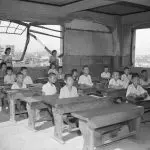
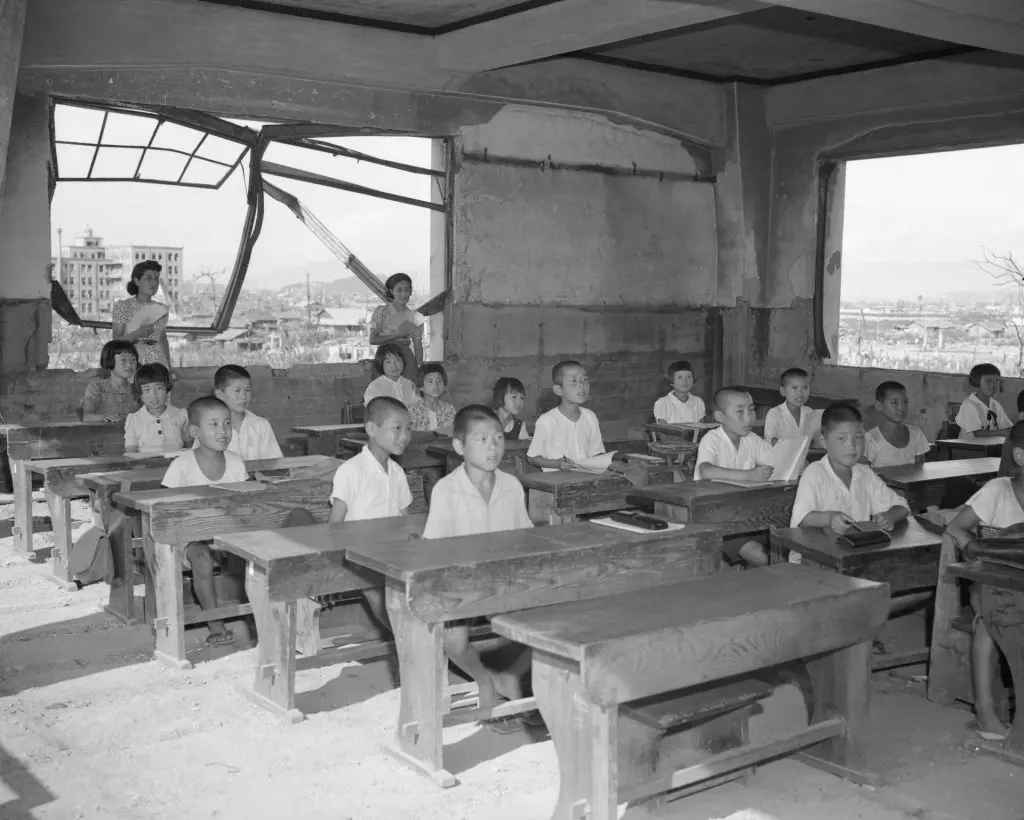 Students attend classes on July 27, 1946 with the ruins of Hiroshima surrounding them. (Bettmann / Getty Images)
The nuclear attacks on Hiroshima and Nagasaki resulted in the deaths and fatal injuries of more than 210,000 people, who either died instantaneously or within months. In addition to these victims, the hundreds of thousands who survived the bombings had to live with the consequences of radiation exposure, which could also affect their descendants.
Eighty-one years later, nuclear anxiety and fear appear to be rising amid increased levels of armed conflict involving nuclear powers around the world. But the testimonies and perspectives of thousands of people who have been affected by nuclear weapons use and testing remain regrettably absent from media coverage and the public debate.
As many worrying developments are described as “unprecedented,” it becomes critically important to hear from those who have lived through nuclear attacks in Japan as well as nuclear tests in Algeria, Australia, China, French Polynesia, Kazakhstan, Kiribati, India, Pakistan, the Marshall Islands, and the United States, among other places. The stories of nuclear survivors and their perspectives should be enough to remind leaders and the general public not to take nuclear threats lightly.
Remembering and learning from the past. In the aftermath of the atomic bombings in Japan, horrifying, first-hand accounts were featured in John Hersey’s 1946 book, Hiroshima. In his book, Hersey introduces six survivors and shares details of how they experienced the nuclear bombing, including its immediate impacts on their health, such as severe burns and radiation sickness. Initially published in an entire issue of The New Yorker on the first anniversary of the bombings, unannounced and placed behind a cover of a lively park scene with people enjoying various summer activities, the text became an immediate best seller and received great attention from specialized media and the general public, even being read over the radio in various countries.
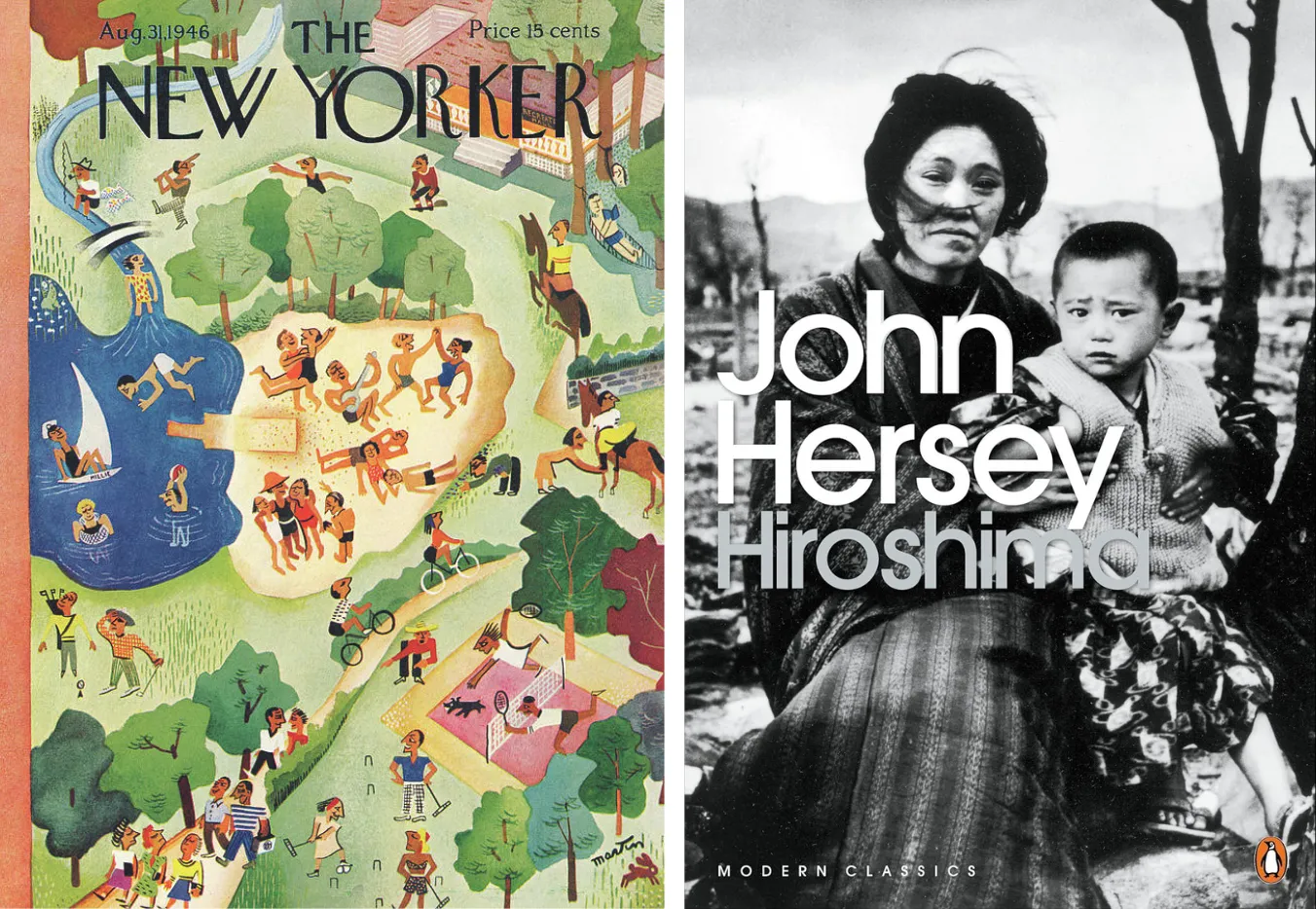
Since then, several books have been written that contain analysis and testimonies from nuclear survivors. The Hiroshima Peace Culture Foundation, for instance, has compiled testimonies by survivors of the nuclear attack.
Akihiro Takahashi is one of the A-bomb survivors offering eyewitness testimony. Takahashi was 14 and a student at a Hiroshima high school. He remembers being blown by the blast and looking up to find that buildings had disappeared:
For a bewildered second I thought, “Hiroshima has vanished!” Coming to my senses, I quickly examined myself. My uniform was burned and tattered. The skin on the back of my head, my back, my arms and legs had peeled like rags, red flash was painfully exposed to the air. … I saw a line of A-bomb survivors looking dazed. … Many were virtually naked. It was exactly like a procession of ghosts.
This was just the beginning of the ordeal.
Nuclear survivors recount their many cancers or the litany of people in their communities who died of cancer or suffered other health problems in the aftermath of the bombing. These personal tragedies have been backed by studies across time of survivors in Japan and elsewhere that demonstrate more elevated incidence of thyroid cancer and other thyroid diseases than the general population, as well as elevated risks of breast, leukemia, stomach, and colon cancers. These impacts disproportionately affect children because their smaller body mass means their internal organs have less tissue shielding them from radiation compared to adults. Many of the health consequences would not manifest for years after exposure, and nuclear survivors have lived with persistent anxiety about transmitting their radiation-induced health issues to the next generations. And not only in Japan.
There are reports of an increase in infant mortality in New Mexico after the Trinity test of July 1945 and in Australia after the United Kingdom’s Maralinga tests in the 1950s. In the Marshall Islands, where the United States conducted 67 nuclear tests between 1946 and 1958, women reportedly suffered miscarriages and gave birth to stillborn babies or “jellyfish babies,” which were infants born with translucent skin and no bones.
For many survivors, pregnancy and labor after radiation exposure took on added psychological stress. As Hiroshima survivor Keiko Ogura recounts:
Before I delivered my baby until the last moment, I was so scared. … Everybody had a hard time. “My baby, my child, is he okay or not?” always mothers are thinking. [With] nuclear weapons stays future fear. Not all casualties are burned or have scars. No, fear. Yes, fear, so deep in our hearts. Everybody had fear.
While there is a need for more scientific research on the generational effects of radiation exposure, many victims believe the illnesses and birth defects in their children and grandchildren are connected to their original exposure. This is the view of Lee Gyuyeo, another survivor of the Hiroshima bombing:
No words can describe the gravity of the aftereffects on the second and third generations, not to mention on us, the first generation of nuclear victims. Our children and grandchildren, the second and third generations of survivors, continue to suffer from unexplained illnesses and are in unspeakable pain.
In addition to health problems, radiation contamination also leads to displacement and environmental deterioration.
In the Marshall Islands, radioactive fallout led to a two-pronged migration pattern, first, from outer islands to the capital, Majuro, and then, with a significant portion of the population relocating to other countries away from radiation and its concomitant harms. Continued displacement led to cultural dislocation and hindered the sense of belonging. As a young Marshallese student living in Fiji observed, “having your land taken away creates a limbo where you don’t know where to identify.”
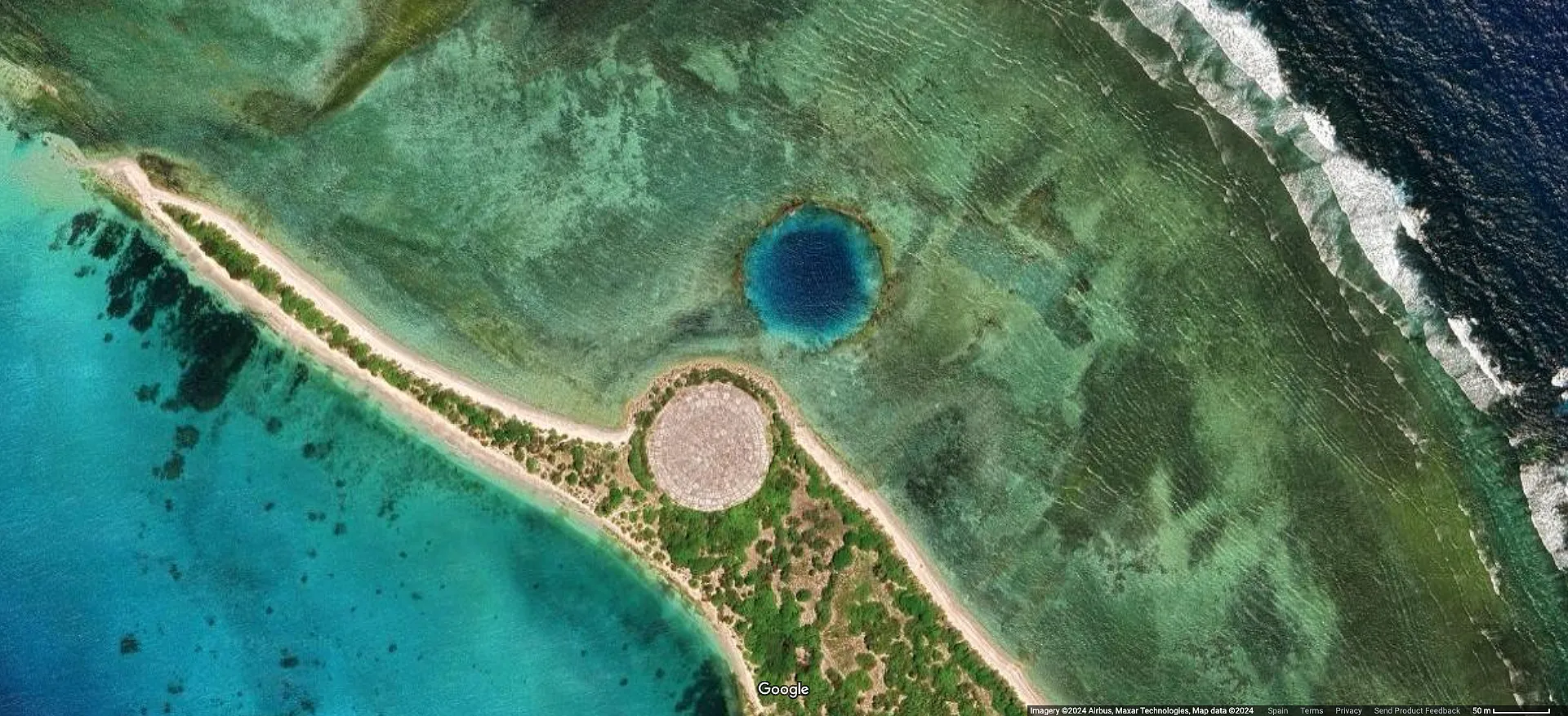
Radioactive fallout from the tests on the Marshall Islands also resulted in environmental contamination that affected local foods and fish stocks. The need to avoid locally produced food and to rely on the consumption of processed products has been associated with diseases among the Marshallese population, including diabetes, hypertension, and obesity. Environmental impacts are further compounded by climate change. Rising sea levels elicit concern about the potential nuclear waste leakage in the Runit Dome, the concrete structure housing contaminated topsoil and radioactive debris on Runit Island.
Acknowledging the past to change the future. Many nuclear survivors feel that relevant governments never truly acknowledged the harm caused by the atomic bombings and nuclear testing programs or the extent of suffering they caused. Without acknowledgement, victims feel not only harmed but almost invisible, as if their experiences, sacrifices, and torments never happened. Media coverage and popular culture still too often glorify nuclear weapons and shirk consequences, adding to the burden carried by survivors.
Several ongoing initiatives by international organizations are trying to shed light on the impacts of nuclear war, including upcoming studies by the World Health Organization and an independent scientific panel established by the UN General Assembly, as well as technical assistance provided by the Office of the High Commissioner for Human Rights to the Marshall Islands. Although extremely important, these initiatives remain all but absent from public discourse and media coverage on nuclear weapons.
If new generations do not learn from the suffering and experience of nuclear survivors, they run the risk of seeing history repeat itself. Listening to nuclear survivors, teaching their struggles in schools, and telling their stories to leaders and the public are paramount if the world is to avoid—or at least postpone—the next nuclear catastrophe.
The views expressed are the sole responsibility of the authors. They do not necessarily reflect the views or opinions of the United Nations, UNIDIR, its staff members or sponsors.
Together, we make the world safer.
The Bulletin elevates expert voices above the noise. But as an independent nonprofit organization, our operations depend on the support of readers like you. Help us continue to deliver quality journalism that holds leaders accountable. Your support of our work at any level is important. In return, we promise our coverage will be understandable, influential, vigilant, solution-oriented, and fair-minded. Together we can make a difference.

Renata Hessmann Dalaqua
Renata Hessmann Dalaqua is the head of the Integrated Approaches Programme at the United Nations Institute for Disarmament Research (UNIDIR). Before ... Read More

Rebecca Davis Gibbons
Rebecca Davis Gibbons is an associate professor of political science at the University of Southern Maine. She previously served as a fellow and ... Read More

This project is part of a collaboration between the Bulletin of the Atomic Scientists and the Stanley Foundation.
ALSO IN THIS COLLECTION










The article does not follow its title. It digresses into other nuclear related exposure/contamination nightmares that deserve their own explanations/opinions/forums. Instead, all of these tragic topics of nuclear war and testing are mixed together in one very long opinion piece. Today is Hiroshima Day. The name was designated to devote this day for the specific remembrance and reflection of what happened 81 years ago. Since this day serves as the cornerstone of every nuclear weapon related topic and issue that has occurred over the past 81 years, is it too much to ask that the day be exclusively be devoted… Read more »
Good article. I would note that survivor Akihiro Takahashi, a wonderful person and advocate, has passed away. There’s a good obituary from the Washington Post (behind a paywall) https://www.washingtonpost.com/local/obituaries/akihiro-takahashi-survivor-of-atomic-blast-at-hiroshima-dies-at-80/2011/12/08/gIQAm4ejjO_story.html