The best multimedia stories of 2025
By Thomas Gaulkin, Erik English | Multimedia | December 29, 2025
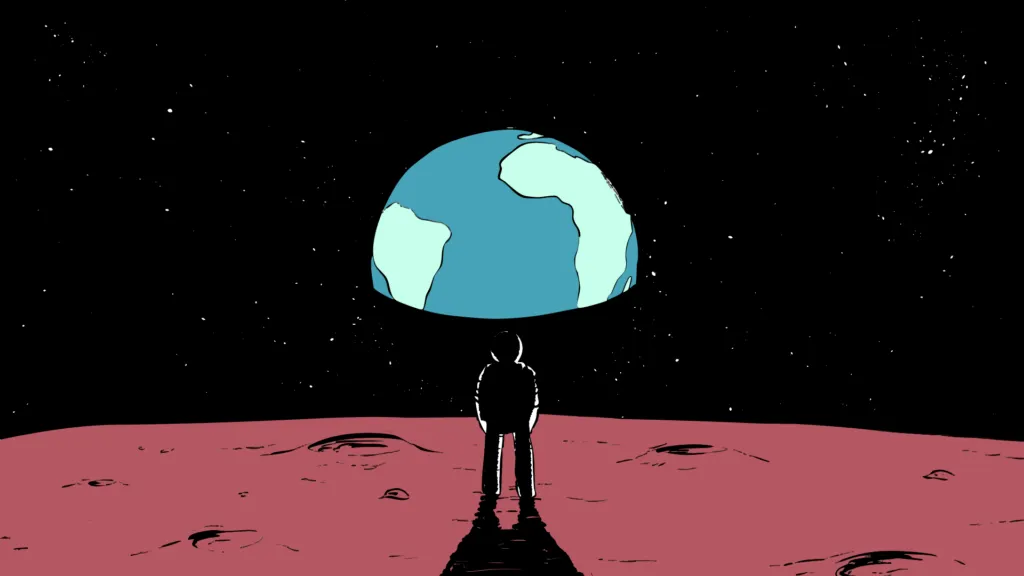 Illustration by Zach Wienersmith.
It was a year somehow exemplified by bizarre AI-generated videos of Donald Trump dropping human feces out of a fighter jet onto protesters and the thoughtless, Elon Musk-led decimation of America’s leading international development agency, USAID. To deal with the range of strangeness and cruelty that 2025 offered, the Bulletin’s multimedia team embarked on a variety of new endeavors that helped explain the existential threats facing the world in different formats and inventive ways. Here are a few of our favorite efforts:
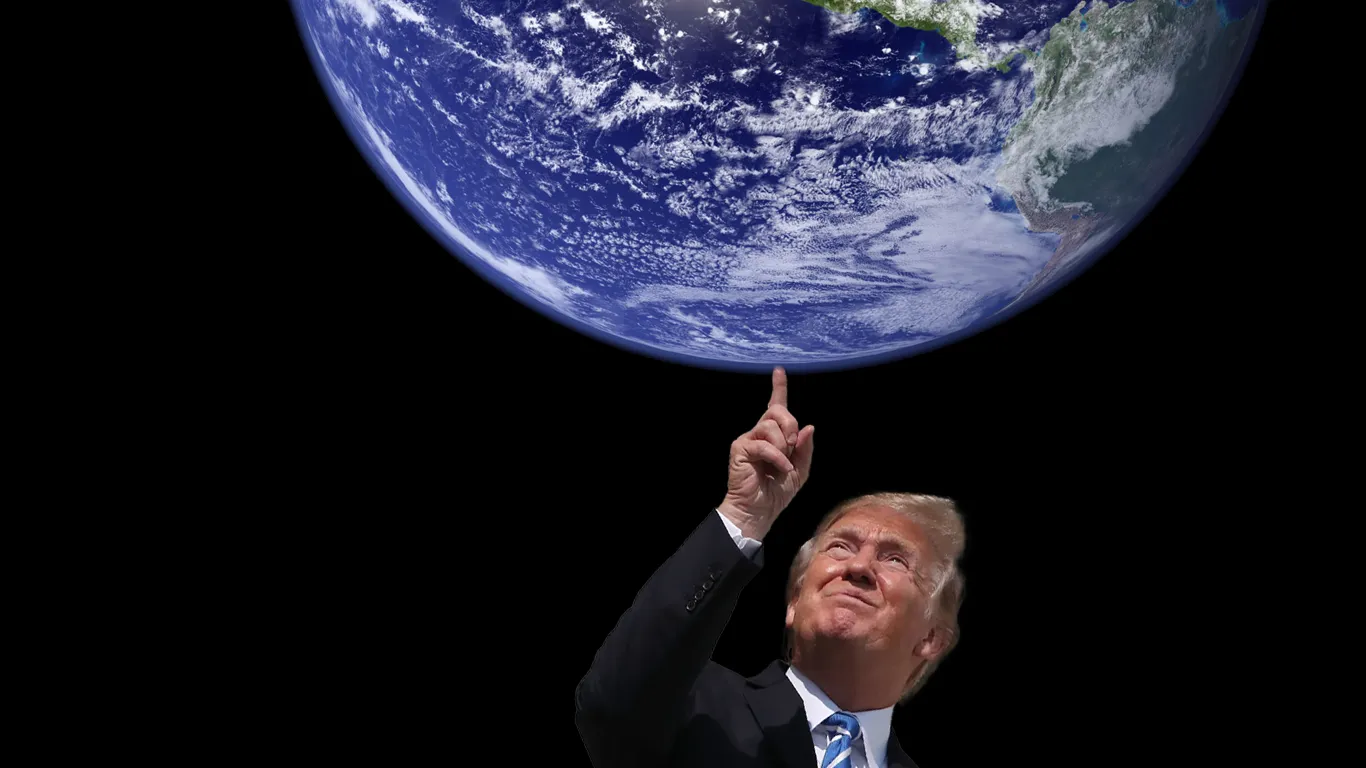
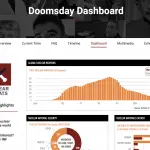
One of the great challenges of 2025 has been simply staying up-to-date. The breakneck speed of Donald Trump’s second administration has meant that each passing day in 2025 brought another broken norm, new firings of seasoned federal workers, and policy rollbacks. That’s why Bulletin multimedia editor Thomas Gaulkin created a searchable database of the second Trump administration’s handling of global threats. Take a peek into the void for a refresher on Trump’s return to power.
Mars Attacks: How Elon Musk’s plans for Mars threaten Earth
By Kelly Weinersmith and Zach Weinersmith
The UN’s 1967 Outer Space Treaty established space as a global commons, meaning that it is free for use by all nations. Places like Mars or the moon can be explored but not claimed as sovereign territory. Perhaps, then, it comes as no surprise that the world’s richest man (depending on the stock market), Elon Musk, is no fan of the Outer Space Treaty. In this comic-inspired piece, join Kelly and Zach Weinersmith as they explore how Musk’s quest to colonize Mars could present a risk to Earthlings everywhere.
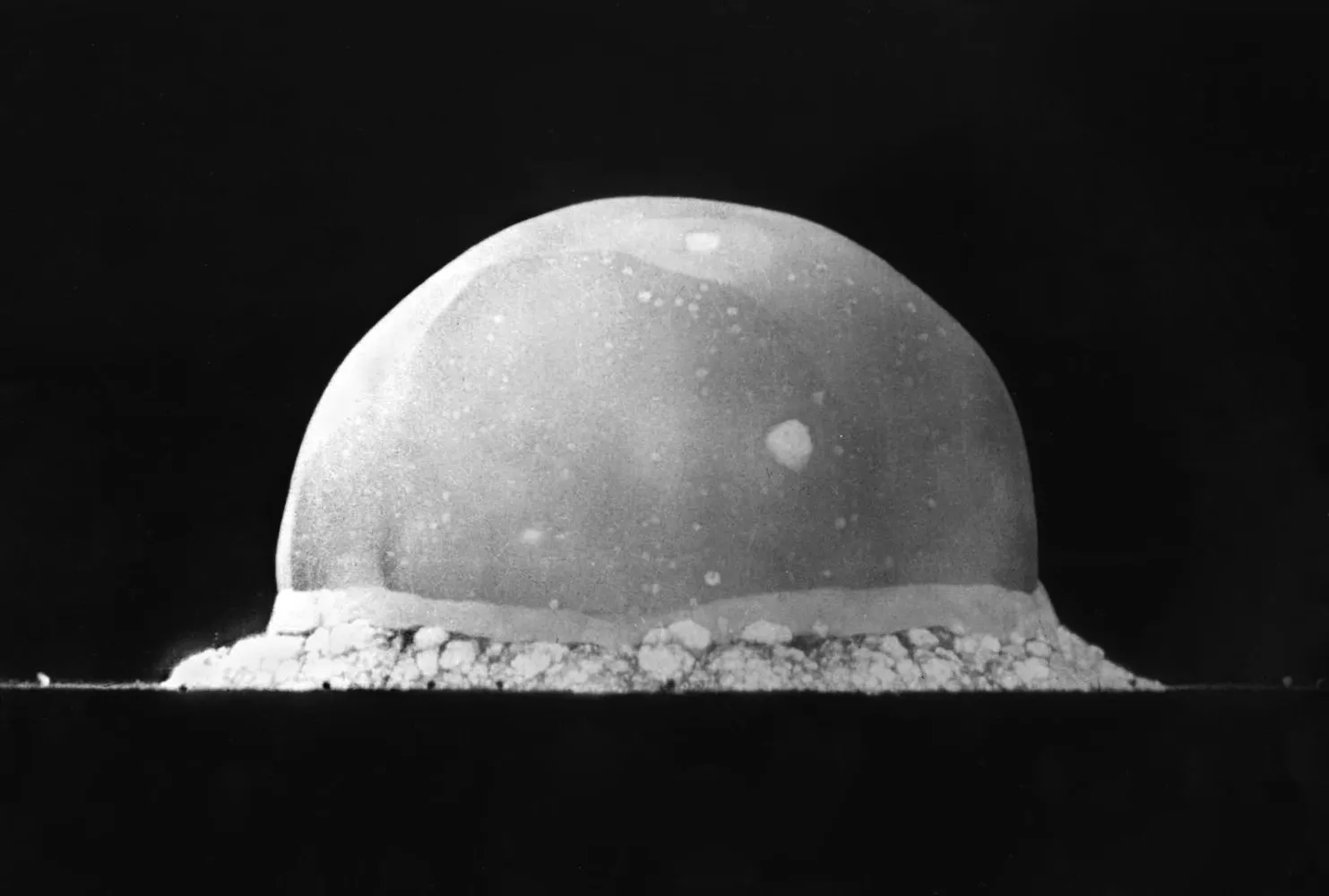
Atoms and Arroyos: The photographic legacy of Berlyn Brixner
From Trinity to Bikini Atoll, the images of nuclear detonations have become a historical touchstone in the history of humanity. But what about the man behind the camera? As part of the Manhattan Project, Berlyn Brixner was put in charge of documenting the first nuclear explosion using 52 cameras in New Mexico. Some of the images recorded were initially banned from public release because they seemed too unnatural. In this photographic essay, Edward Landa and Mary Nichols explore Brixner’s journey from landscape photographer to “extreme photography.”
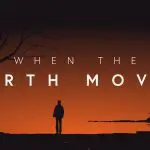
In Ireland’s Wicklow Mountains, scientists used chisels to chip chunks of rock off boulders, searching for traces of an isotope that could help date the shrinking British-Irish Ice Sheet. In this piece, Cathy Chung and Frances Mack (a Bulletin editorial intern in 2025) explain how the history of slow-moving glaciers can help to explain what lies ahead for humanity on a warming planet.

How to stop bioterrorists from buying dangerous DNA
By Steph Batalis, Vikram Venkatram
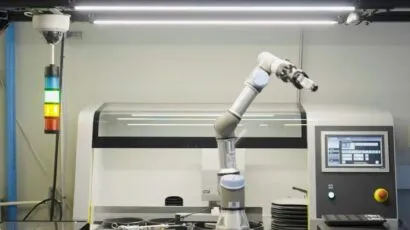
Every day, gene synthesis companies around the world receive requests from academics and industry for manufactured stands of DNA. These pieces of synthesized DNA can he used to develop medical tests and study gene therapies, among other things. But they can also be used to develop pathogens if the wrong person gets hold of them. In this interactive piece, Steph Batalis and Vikram Venkatram explain why the companies that sell synthesized DNA to scientists need to screen their customers, lest dangerous sequences fall into the wrong hands.

Video versions of the Nuclear Notebook
By Erik English
Since 1987, the Bulletin of the Atomic Scientists has published the Nuclear Notebook, an authoritative accounting of world nuclear arsenals compiled by top experts from the Federation of American Scientists. In 2025, the Bulletin began producing summary videos of the Nuclear Notebook, lending some modern motion graphics to a timeless—and extremely detailed—description of the nuclear forces arrayed around the world.
How many nuclear weapons does the United States have?
How many nuclear weapons does China have?
How many nuclear weapons does Russia have?
Israel, Iran, and secret nukes: Why a diplomatic solution in Iran is the only option
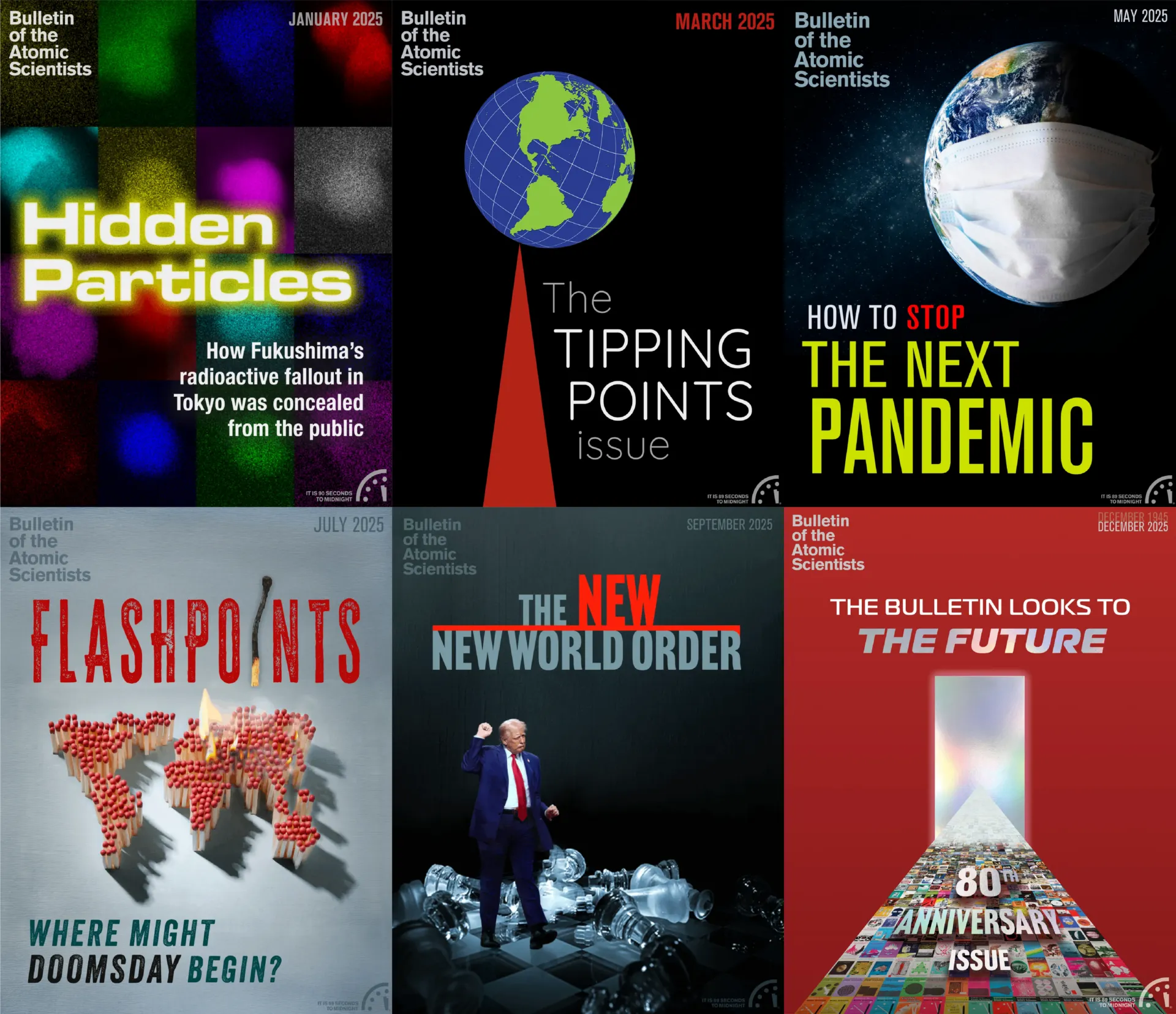
Since the debut of Martyl’s Doomsday Clock design in June 1947, 602 covers of the Bulletin magazine have been published, including the latest for our 80th anniversary issue in December; together, they offer a bold portrait of scientific discovery and existential danger as the Bulletin, and humanity, chart a path to the future.
Together, we make the world safer.
The Bulletin elevates expert voices above the noise. But as an independent nonprofit organization, our operations depend on the support of readers like you. Help us continue to deliver quality journalism that holds leaders accountable. Your support of our work at any level is important. In return, we promise our coverage will be understandable, influential, vigilant, solution-oriented, and fair-minded. Together we can make a difference.
Topics: Multimedia
Get alerts about this thread
0 Comments
Oldest

Thomas Gaulkin
Thomas Gaulkin is multimedia editor at the Bulletin of the Atomic Scientists. Prior to joining the Bulletin in 2018, he spent the ... Read More

Erik English
Erik English is a former associate multimedia editor at the Bulletin of the Atomic Scientists. He has worked at the International Atomic ... Read More